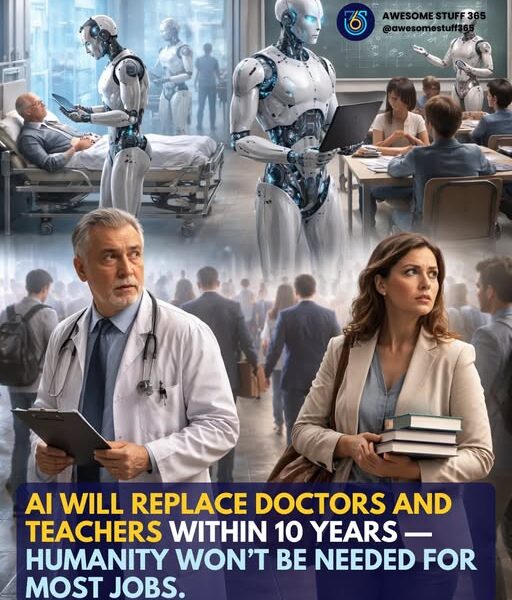
Will AI Replace Professors? Here’s Why Universities Will Survive — The Future of Education in the Age of Technology

The rise of artificial intelligence (AI) has sparked significant debates about the future of education. Many are asking whether AI will replace professors in the classroom, as machines become more sophisticated and capable of performing tasks traditionally carried out by humans. Some believe that the advent of AI will make traditional teaching methods obsolete, while others argue that universities and professors still play an irreplaceable role in shaping the future of education. In this article, we will explore the potential impacts of AI on universities, why institutions of higher learning will continue to thrive, and what the future of education might look like in the age of technology.
AI and Its Role in Education: A Technological Breakthrough
AI has already made its presence known in many sectors, from healthcare to finance, and education is no exception. With advancements in machine learning, natural language processing, and data analytics, AI is being used to automate administrative tasks, provide personalized learning experiences, and even assist in grading. AI can offer students tailored recommendations, support educators with course material development, and even simulate real-world scenarios through virtual environments.
However, as AI becomes more integrated into the educational process, concerns arise about whether this technology could replace professors. Can AI truly replicate the depth of knowledge, emotional intelligence, and teaching ability of a human professor? Will the role of the professor evolve or disappear entirely in the face of these advancements?
The Strengths of AI in Education: Personalization and Efficiency
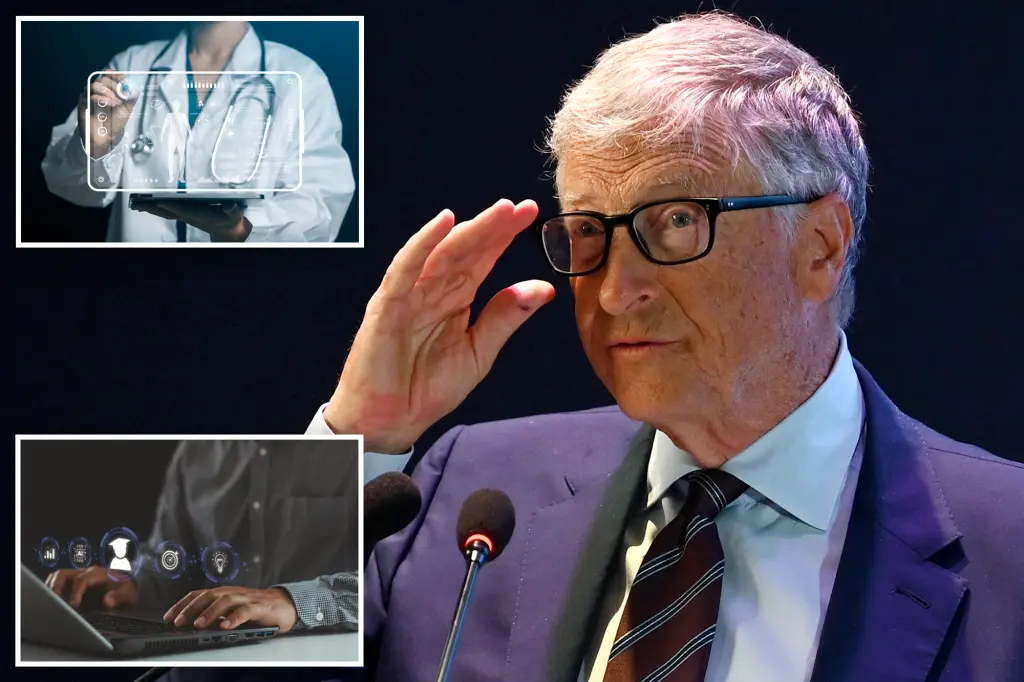
AI’s primary advantage in education is its ability to deliver personalized learning experiences. Using data analytics, AI systems can analyze individual student performance and adapt course content to meet their specific needs. For instance, AI-powered platforms like adaptive learning systems can help students work at their own pace, identifying areas where they struggle and offering extra support where necessary. This level of customization, which would be difficult for human professors to achieve for large classes, makes AI a powerful tool for improving student outcomes.
Moreover, AI can streamline administrative tasks that typically take up professors’ time, such as grading assignments or managing course logistics. By automating these repetitive tasks, AI allows professors to focus more on engaging with students and developing new curriculum material.
Why Professors Are More Than Just Knowledge Providers
While AI can assist with personalized learning and automate certain administrative duties, it cannot replicate the core role that professors play in education. Professors are more than just conveyors of knowledge — they are mentors, guides, and sources of inspiration. Teaching involves not only the delivery of information but also fostering critical thinking, engaging in intellectual debates, and nurturing creativity. Professors inspire students to explore new ideas, challenge existing norms, and grow as individuals.
Moreover, professors provide emotional intelligence that AI simply cannot replicate. While AI can provide answers and explanations, it cannot read the emotional cues of students, offer encouragement during moments of doubt, or adapt to the individual personalities and learning styles in the classroom. Human connection and mentorship are essential components of the educational experience, and these qualities cannot be replaced by algorithms.
The Role of Universities: Why They Will Continue to Thrive

Despite the potential for AI to revolutionize aspects of the educational process, universities will continue to thrive for several reasons. First, universities are institutions that offer much more than just education — they foster community, facilitate networking, and provide students with access to resources that AI cannot offer. Higher education institutions provide a space where students can engage with one another, collaborate on projects, and form lasting professional relationships.
Moreover, universities play a key role in research and innovation, and they provide students with opportunities for hands-on learning that AI cannot replicate. The practical, real-world experience gained through university internships, labs, and faculty-led projects is invaluable and will continue to be a cornerstone of higher education.
The Future of Education: Hybrid Learning Models
As AI becomes more integrated into education, we are likely to see the rise of hybrid learning models that combine the best of both worlds. Professors will continue to play a central role in the educational process, but they will work alongside AI tools to enhance their teaching. For example, professors may use AI to personalize learning paths for their students while still providing the human interaction and mentorship that is crucial to students’ success. This collaborative approach, where technology supports human educators, rather than replacing them, could become the gold standard for the future of education.
The Limitations of AI in Education: Where It Falls Short

While AI can handle many aspects of the educational process, it still has significant limitations. One of the most prominent limitations is the lack of emotional intelligence and understanding that human professors bring to the classroom. Education is not just about transferring information; it’s about inspiring students, challenging them to think critically, and helping them navigate personal and professional growth. These are areas where AI still falls short.
Additionally, AI is only as good as the data it’s trained on. If the data is biased or incomplete, the AI system’s recommendations and analyses may be flawed. Human professors, on the other hand, can make nuanced judgments and take into account the complexities of a student’s situation, which AI cannot fully understand.
Why Universities Are Evolving, Not Disappearing
Universities are not becoming obsolete in the age of AI; rather, they are evolving. The role of professors may shift as technology advances, but the need for human interaction in education remains. Universities are places of collaboration, research, and discovery — elements that cannot be replaced by machines. As AI assists in tasks like grading and personalized learning, professors will have more time to focus on what they do best: guiding students, fostering creativity, and contributing to the academic and professional growth of the next generation.
Furthermore, universities are adapting to the digital age by incorporating AI and other technologies into their curricula. Many universities now offer online learning opportunities, AI-driven courses, and digital tools to enhance the learning experience. These changes show that universities are not resisting technology but rather integrating it into their existing models to improve accessibility and efficiency.
AI in Education: What the Future Holds
The future of AI in education is bright, but it will not come at the expense of universities or professors. AI will continue to improve the personalization of learning and assist in administrative tasks, but it will never replace the human element of education. Professors will remain essential to fostering critical thinking, creativity, and intellectual growth. As AI technology continues to evolve, it will be important for universities to strike a balance between utilizing AI to enhance the educational experience and preserving the vital role that human educators play in shaping the future of students.
Conclusion: The Coexistence of AI and Human Educators
While AI may change the way we approach teaching and learning, it will not replace professors or the university system. Instead, AI will serve as a tool that enhances the educational experience by providing personalized learning, streamlining administrative tasks, and supporting professors in their work. The future of education is likely to be a hybrid model that combines the best of both worlds: human educators and AI working together to provide students with the most comprehensive and enriching learning experience possible.