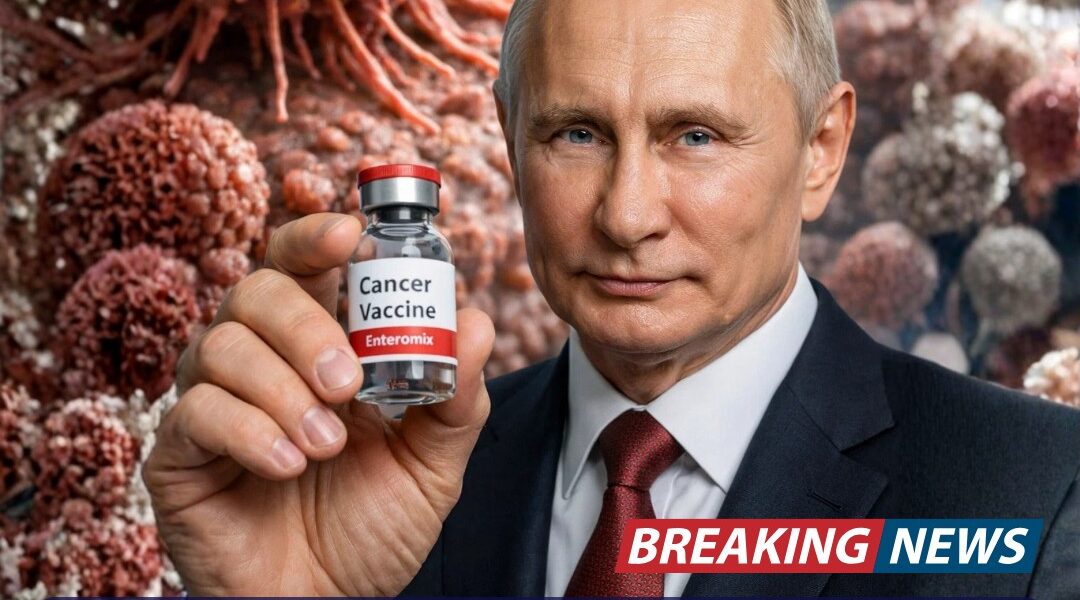
Russia Announces Enteromix Cancer Vaccine Showing Early Promise in Clinical Research

Russia Announces Enteromix Cancer Vaccine Showing Early Promise in Clinical Research
Table of Contents [show]
What Is Enteromix and Why It Matters
Enteromix is described by researchers as an experimental cancer vaccine developed in Russia to activate the body’s immune response against malignant cells. Unlike traditional vaccines that prevent infectious diseases, therapeutic cancer vaccines aim to train the immune system to recognize and attack cancer that is already present.
According to statements from research institutions, Enteromix is designed to stimulate immune cells using specific biological signals, potentially improving the body’s ability to slow tumor growth or enhance responses to other treatments. This approach places Enteromix within the broader field of cancer immunotherapy, one of the most active areas of oncology research today.
Russia’s Role in Cancer Research
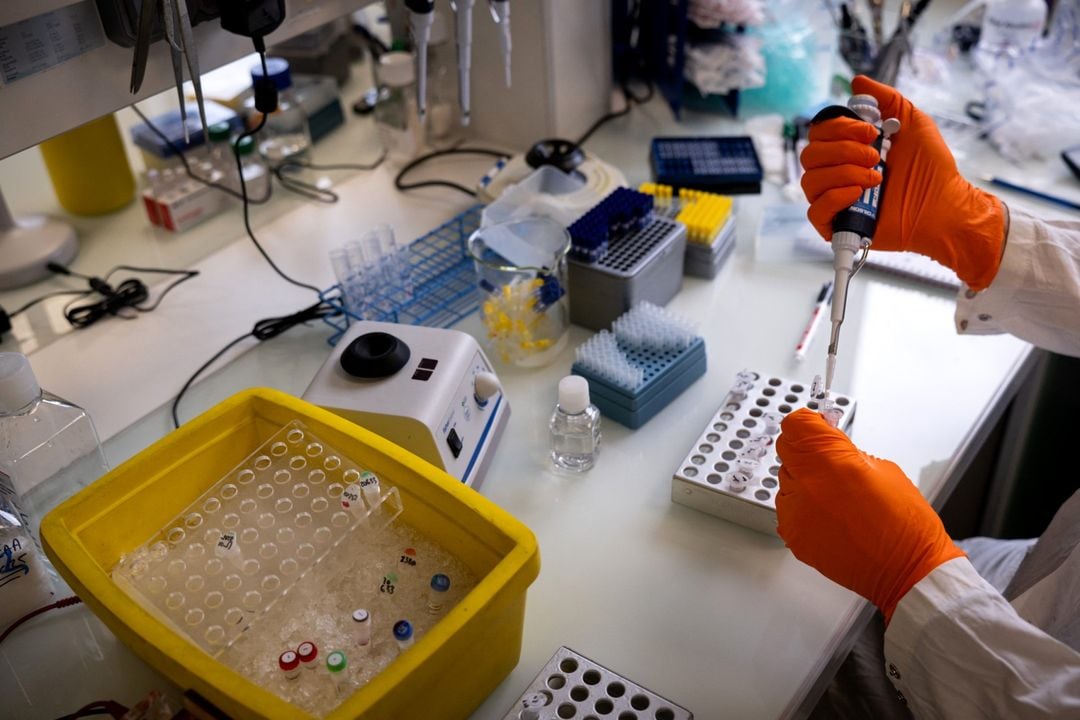
Russia has a long history of biomedical research, particularly in immunology and virology. Institutions such as Gamaleya Research Institute and other state supported research centers have contributed to vaccine development and immune based therapies over decades.
The Enteromix announcement reflects Russia’s continued investment in domestic medical innovation. It also highlights the country’s ambition to contribute to global oncology research at a time when cancer remains one of the leading causes of death worldwide.
What Early Clinical Results Suggest
Researchers involved in the Enteromix project have described early clinical observations as encouraging. In small scale trials, some patients reportedly showed signs of immune activation and disease stabilization. These findings were presented as preliminary and exploratory rather than definitive proof of effectiveness.
It is important to emphasize that early phase clinical studies are primarily designed to assess safety and biological response, not long term survival outcomes. Positive signals at this stage suggest potential, not certainty.
Why Cancer Vaccines Are So Challenging
Cancer vaccines have been studied for decades, yet very few have reached widespread clinical use. One reason is that cancer cells originate from the body’s own tissues, making them harder for the immune system to distinguish from healthy cells.
Tumors also evolve rapidly, developing mechanisms to evade immune detection. Any successful cancer vaccine must overcome these defenses while avoiding damage to normal tissue. This complexity explains why early promise often fails to translate into final success.
How Enteromix Fits Into Immunotherapy
Immunotherapy has transformed cancer treatment over the past decade, particularly through checkpoint inhibitors and cell based therapies. Vaccines like Enteromix represent another strategy within this landscape.
Rather than directly killing cancer cells, therapeutic vaccines aim to amplify the immune response over time. Researchers suggest that Enteromix may be most effective when combined with other treatments rather than used alone.
Global Reaction From the Scientific Community
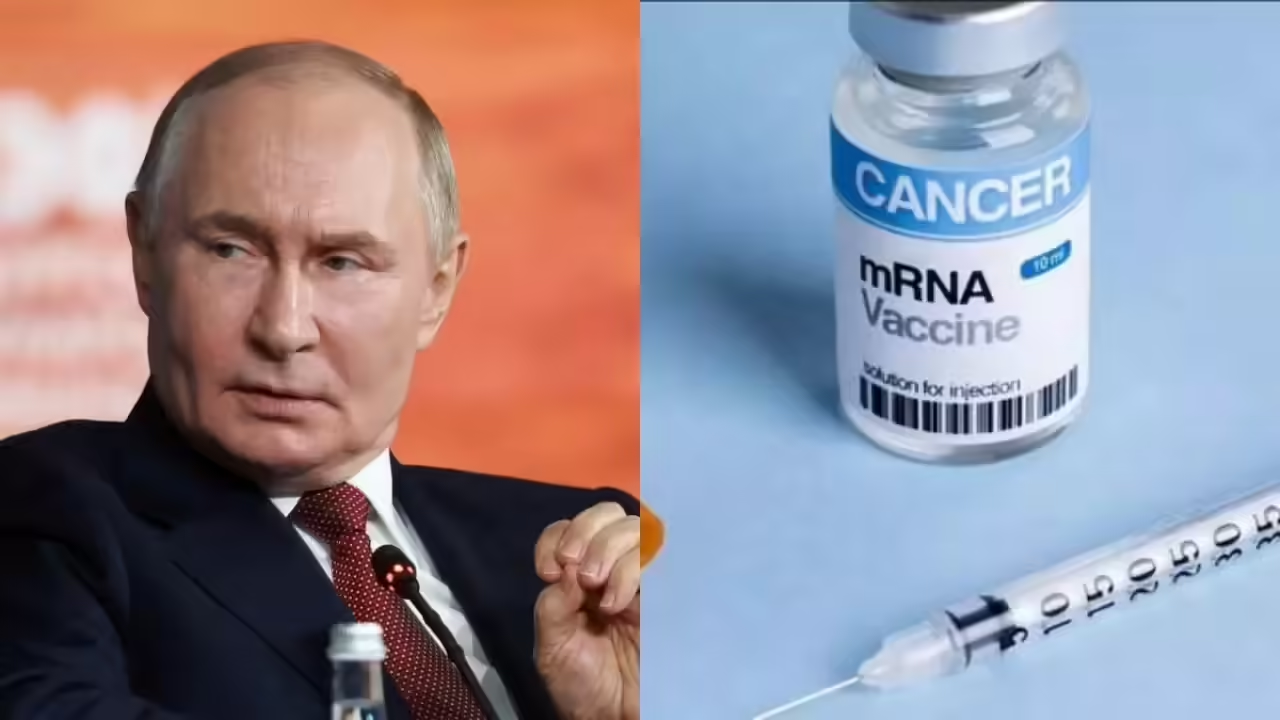
The announcement of Enteromix sparked interest beyond Russia. Oncologists and researchers internationally acknowledged the importance of exploring diverse approaches to cancer treatment while emphasizing the need for independent validation.
Many experts welcomed the data as a reason for cautious optimism, but warned against framing the vaccine as a cure. Cancer research history is filled with early successes that did not survive larger trials.
The Danger of Overinterpretation
Public reaction to cancer breakthroughs often moves faster than science. Headlines can create unrealistic expectations, particularly for patients and families searching for hope.
Medical professionals stress that no vaccine should be considered effective until it passes multiple phases of rigorous clinical testing. Premature conclusions can erode trust if results fail to hold up.
Understanding Clinical Trial Phases
To appreciate what Enteromix represents, it is helpful to understand how clinical trials work. Early phase trials focus on safety and immune response. Later phases test effectiveness across larger populations and compare results against existing treatments.

Most experimental therapies do not advance beyond early stages. Progressing through each phase requires time, funding, and reproducible data.
Ethical Responsibility in Reporting
Researchers and institutions carry ethical responsibility when communicating early results. Balancing transparency with restraint is essential to avoid false hope.
The Enteromix case underscores the importance of precise language. Words like promising and encouraging describe signals, not outcomes.
Why Global Collaboration Matters
Cancer does not respect borders. Advances in one country can benefit patients worldwide, provided data is shared and independently reviewed.
Some experts have called for international collaboration to further study Enteromix, including peer reviewed publications and multicenter trials.
The Role of Politics and Perception
Geopolitical tensions can influence how medical research is received. Scientific findings may face skepticism not because of their content, but because of their origin.
Experts argue that medical research should be evaluated on evidence alone, regardless of nationality, while maintaining rigorous standards.
Patient Perspectives and Hope
For patients facing cancer, any potential advance carries emotional weight. Even early stage research can represent hope in situations where options are limited.
Healthcare providers emphasize the importance of clear communication, helping patients understand what is experimental and what is established.
Funding and Long Term Development
Developing a cancer vaccine requires sustained funding over many years. Early results are only the beginning of a long and expensive process.
The future of Enteromix will depend on continued investment, regulatory approval pathways, and transparent reporting.
Comparing Enteromix to Past Attempts
History offers both inspiration and caution. Some immunotherapies that once seemed unlikely eventually transformed cancer care. Others failed despite promising starts.
Enteromix now joins a long list of candidates whose ultimate value will be determined by evidence, not expectation.
What Comes Next for Enteromix
Researchers are expected to expand trials, enroll more participants, and refine dosing strategies. Peer reviewed publications will be critical for broader scientific acceptance.
Regulatory agencies will also play a key role in evaluating safety and efficacy claims.
Public Health Implications
If future trials confirm effectiveness, cancer vaccines could reduce reliance on more toxic treatments and improve quality of life for patients.
However, until such confirmation exists, Enteromix remains an experimental therapy under investigation.
Managing Hope Responsibly
Hope is a powerful force in medicine, but unmanaged hope can cause harm. Responsible reporting ensures that optimism does not outpace reality.
The Enteromix story illustrates the delicate balance between celebrating innovation and respecting uncertainty.
A Broader Moment in Cancer Research
The announcement reflects a broader surge in immunotherapy research worldwide. Scientists are exploring new ways to harness the immune system against cancer.
Enteromix represents one piece of a much larger puzzle.
Conclusion
Russia’s announcement of early promise from the Enteromix cancer vaccine has drawn global attention, stirring hope and caution in equal measure. The preliminary findings suggest immune activation and potential therapeutic value, but they do not yet prove effectiveness or safety on a population scale.
As with all experimental cancer therapies, Enteromix must pass through rigorous scientific testing before its true impact can be known. Until then, it stands as a reminder of both the promise and the patience required in cancer research.