When Family Boundaries Are Tested: A Mother’s Stand for Her Children

When Family Boundaries Are Tested: A Mother’s Stand for Her Children
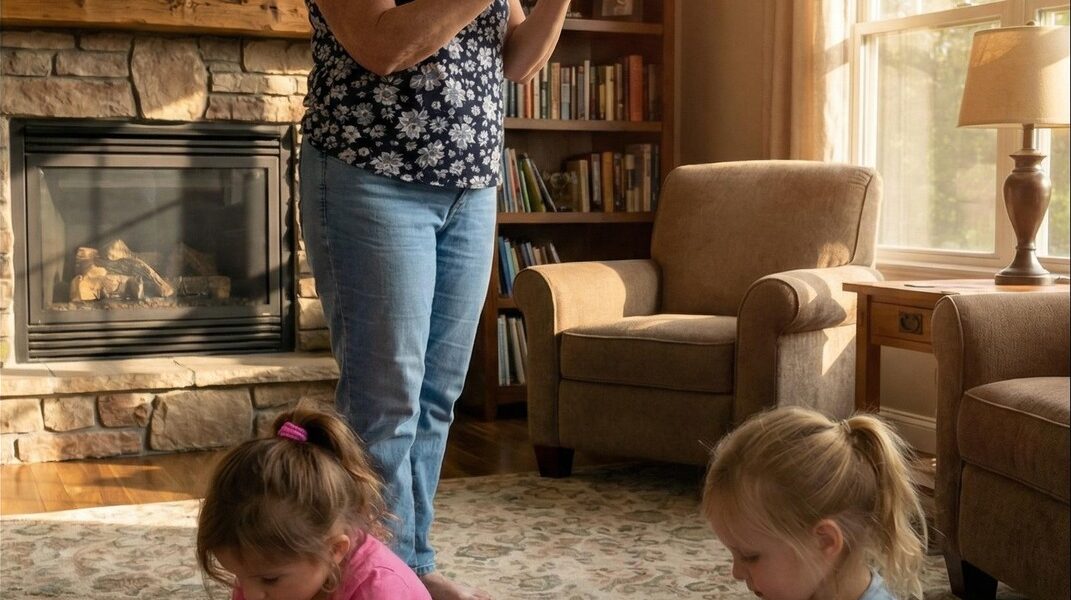
When we moved to my husband’s hometown, I believed we were giving our twin daughters a peaceful childhood. The town was small and friendly, with quiet streets and familiar faces. My husband, Mason, grew up there and was eager for our girls, Anna and Rose, to be surrounded by extended family. At first, I tried to embrace the change. His parents and sister visited often, bringing baked goods and offering help. But over time, something began to feel uncomfortable. Every visit included constant photos and videos—some sweet, others taken during private or difficult moments, like tantrums or messy mornings. I told myself it was just proud relatives documenting memories, even though a quiet voice inside me questioned their intentions.
The uneasy feeling grew stronger when I noticed the pattern in what they captured. It wasn’t only the happy moments. They photographed small mistakes—when I forgot to pack a lunch once or when the girls’ hair was tangled after a busy day. I mentioned it to Mason, but he brushed it off as normal family behavior. Then one evening, after stepping back inside to grab my wallet, I overheard my mother-in-law whispering in the kitchen. She and my sister-in-law were discussing whether they had “enough proof” that I was overwhelmed and forgetful. They mentioned speaking to a lawyer. My heart pounded as I realized they weren’t collecting keepsakes. They were gathering material to question my parenting.
Instead of reacting in anger, I chose clarity. The next night, during a family dinner, I shared a video montage I had quietly recorded—ordinary moments of love, bedtime stories, laughter in the kitchen, and the girls’ joyful hugs. I explained calmly what I had overheard and asked for transparency. The room fell silent. When Mason heard about the lawyer consultation, his shock quickly turned to disappointment. He firmly told his family that our daughters were not projects to control, but children raised by two committed parents. The tension that followed was painful, yet necessary. Boundaries were finally spoken aloud.
In the weeks after that confrontation, Mason and I made a thoughtful decision to return to the city where we felt more secure. The experience reminded me that trust within a family must be mutual and respectful. Parenting is not about perfection; it is about love, consistency, and protection. I learned that standing up for yourself can be an act of care for your children as well. Sometimes the greatest proof of devotion is simply living honestly and refusing to let fear or manipulation define your role as a parent.