Mexico’s Military Clashes With Cartels After El Mencho Killing Trigger Violence

Mexico’s Military Clashes With Cartels After El Mencho Killing Trigger Violence
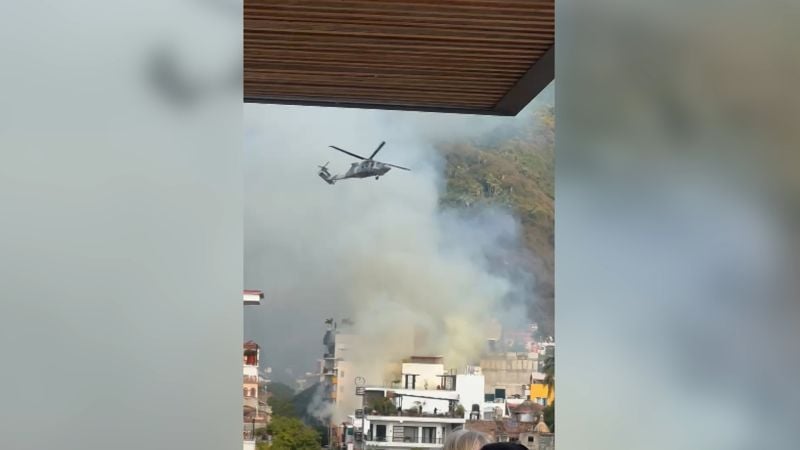
Table of Contents [show]
Who El Mencho Was and Why His Death Mattered
Nemesio Oseguera Cervantes, better known by his alias El Mencho, was widely considered one of the most dangerous and elusive cartel leaders in Mexico . As the founder and head of the Jalisco New Generation Cartel, also known by its Spanish initials CJNG, he built an organization that expanded rapidly into at least two dozen states and diversified its criminal activities to include drug trafficking, extortion, kidnapping, and fuel theft . The CJNG became notorious for using sophisticated weapons, including drones and heavy‑armed vehicles, and for its deadly confrontations with both rival gangs and Mexican security forces.
El Mencho had been on the run for years, evading capture while becoming a central figure in Mexico’s ongoing drug war and attracting a multi‑million‑dollar bounty from the United States for his role in trafficking fentanyl, methamphetamine, and other illicit drugs into American markets . His influence extended well beyond criminal spheres into local economies and even into politics in some regions where the cartel exercised de facto control. Because of this reach and the fear he inspired, his death represented a major milestone for Mexican authorities and their international partners in the fight against cartel power. But as the events that unfolded made clear, removing a kingpin does not automatically end the violence associated with these organizations
The Military Operation That Killed El Mencho
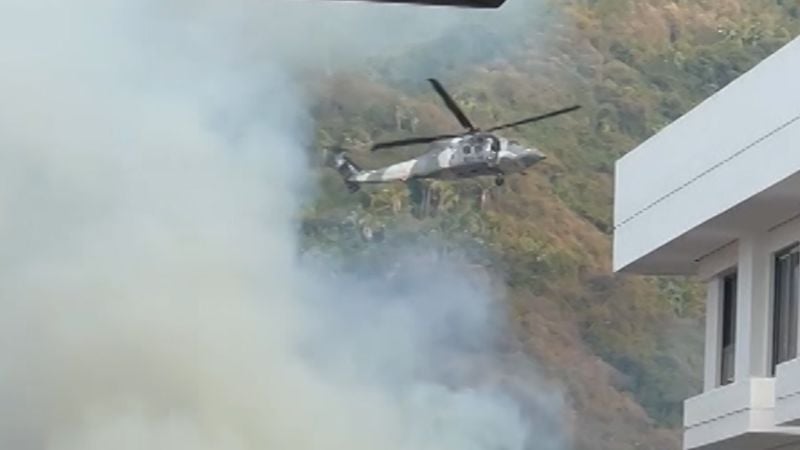
On the morning of February 22, 2026, units of the Mexican Army, supported by federal police and intelligence forces, launched a coordinated raid in the mountainous region of Tapalpa in the state of Jalisco . Accurate and detailed intelligence had helped security forces locate El Mencho’s hideout, and the operation was described by officials as meticulously planned to minimize civilian risk and ensure operational success.
The initial clash was intense, involving heavy gunfire and explosive devices, reflecting how deeply entrenched cartel units were prepared to defend their leader and territory . Despite this resistance, security forces succeeded in fatally wounding El Mencho during the firefight, and he later died of his wounds while being transported for medical treatment. Authorities also killed six other high‑ranking cartel figures in the operation and took several suspects into custody.
For the Mexican government, this represented a significant tactical achievement and a rare moment of clarity in an often frustrating campaign against entrenched criminal networks. Leaders, including President Claudia Sheinbaum, publicly praised the success of the mission and reaffirmed the government’s commitment to reducing cartel power throughout the nation.
Clashes Spread Across Mexico After the Announcement
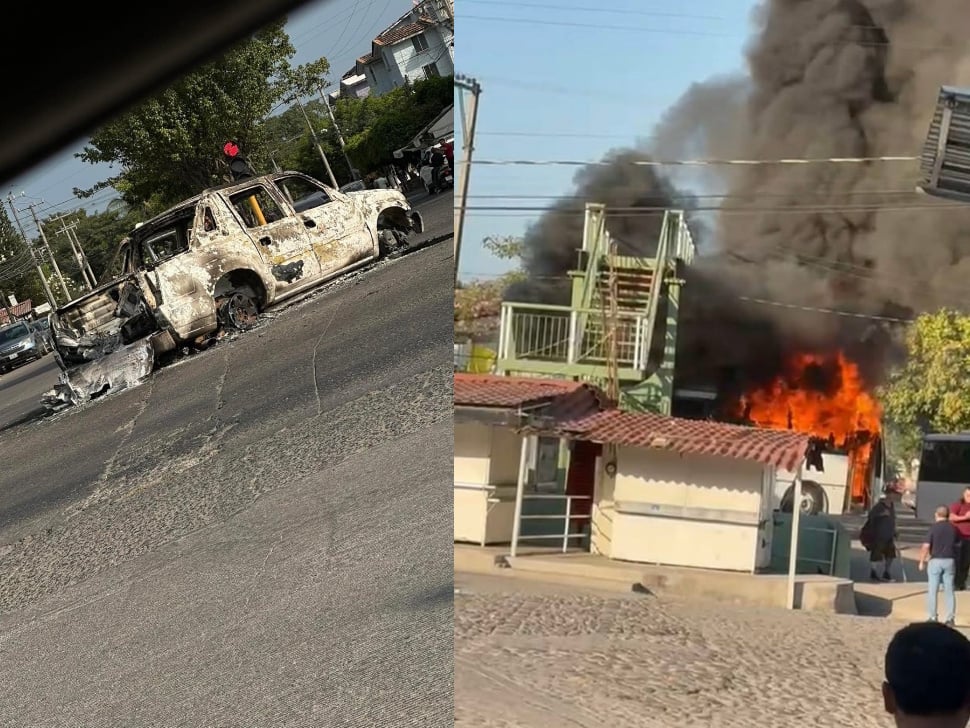
Almost immediately after El Mencho’s death became public, retaliatory violence erupted across a swath of states beyond Jalisco . Armed groups linked to the CJNG responded by setting fire to vehicles, burning buildings, and erecting makeshift roadblocks on highways and rural roads in at least 20 states, including Michoacán, Guanajuato, Nayarit, and Tamaulipas . These tactics appeared designed to disrupt movement, slow security force deployments, and demonstrate the cartel’s continued capacity for widespread disruption even without its leader.
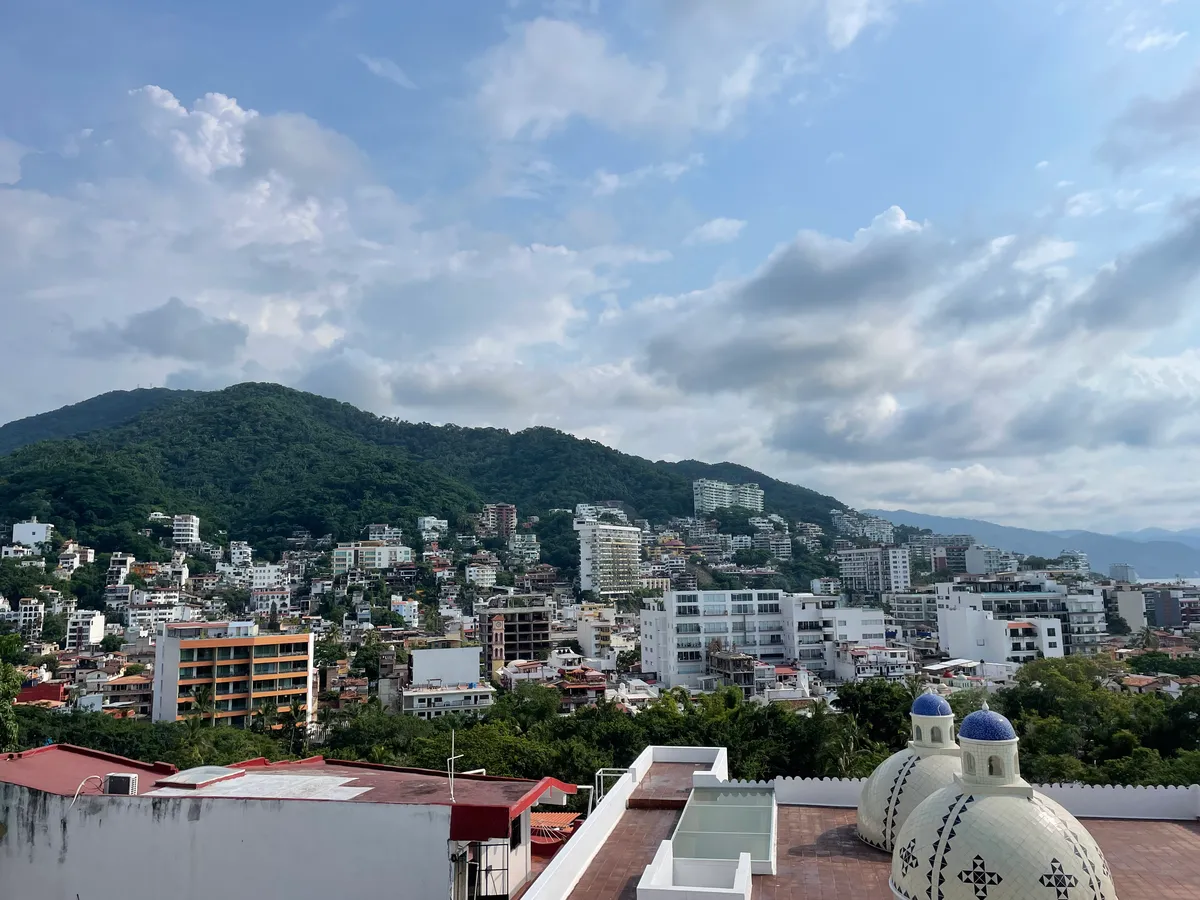
For ordinary citizens, the shock of sudden violence was immediate. In cities such as Guadalajara and Puerto Vallarta, smoke from burning vehicles filled the skies and trapped travelers at airports as flights were canceled in response to safety concerns . Roads that once bustled with commerce suddenly became impassable as armed confrontations between cartel gunmen and military units intensified.
Security forces struggled to contain the unrest, and reports emerged of deadly clashes between cartel fighters and members of the Mexican National Guard and Army. Early reports indicated that at least 25 National Guard members were killed in multiple confrontations as the violence spread throughout Jalisco and into neighboring states, highlighting the severity of the backlash and the risks faced by government forces on the ground .
Local Impact and Daily Disruption
For residents in affected regions, normal life was interrupted as curfews were imposed and public transport was halted to mitigate damage and casualties . Schools and businesses closed in many communities, and families sheltered at home, wary of stepping outside as sporadic gunfire echoed through neighborhoods or smoke from distant fires hung heavy in the air. In some places, public leaders advised citizens to avoid travel and stay indoors until authorities could reestablish control.
The violence also had tangible economic implications. Tourism, a major industry in coastal and central regions of Mexico, suffered abrupt setbacks as flights were grounded and visitors delayed or rerouted away from destinations like Puerto Vallarta and Mazatlán out of safety concerns . Hotels and small businesses that rely on steady streams of travelers faced sudden losses, while local workers found themselves unable to reach jobs.
Border areas and cities further north faced their own disruptions. Commercial traffic slowed as highways became sites of uncertainty and risk, and freight carriers were forced to adapt routes to avoid exposed populations. These daily disruptions illustrated the human costs of organized crime violence that extend far beyond abstract statistics or news headlines.
Government and Security Responses
In response to the chaotic scenes across the nation, the Mexican government quickly mobilized additional military and police units to the most affected regions . Thousands of personnel were dispatched to reinforce security in states where retaliatory attacks were most intense, particularly in Jalisco and its neighboring territories. These reinforcements aimed to restore order, clear roadblocks, and prevent further escalation of violence.
President Sheinbaum and her security team emphasized that the death of El Mencho was a strategic success in Mexico’s broader campaign against organized crime. They framed it as evidence of the country’s improved operational capabilities and its ability to act on high‑value intelligence and execute complex military actions. Officials maintained that the objective remained to dismantle cartel structures, disrupt narcotics trafficking networks, and protect public safety.
Local authorities also implemented emergency measures, including temporary closures of schools, restrictions on public gatherings, and advisories for residents and visitors to remain vigilant. In some municipalities, leaders established coordination centers that brought together medical, fire, and security units to streamline responses to violent flare‑ups and provide timely assistance to affected communities.
Broader Security Implications
Analysts have noted that while killing a cartel leader is a significant tactical victory, it can also create a power vacuum that leads to further violence as criminal factions compete for dominance . With El Mencho’s direct line of succession unclear, rival commanders within the CJNG and other criminal organizations could seek to assert control over territories and influence routes for drug trafficking and other illegal enterprises.
This fragmentation risk often results in clashes not only between rival cartel factions but also with government forces attempting to assert authority. As the CJNG splinters, smaller groups may emerge that operate with greater independence and unpredictability, further complicating efforts by authorities to stabilize regions that have long struggled with cartel presence.
Experts in Mexican security affairs also caution that episodes like this can influence the strategies of other cartels. Some may interpret the government’s success as a sign of vulnerability and push into new territories. Others may form temporary alliances to resist state forces or to exploit emerging gaps in control.
Citizens and International Concern
The violent aftermath of El Mencho’s death did not go unnoticed beyond Mexico’s borders. Governments of neighboring countries and travel advisory agencies issued warnings for citizens in affected areas to take precautions and stay informed about local developments. The United States and Canada reinforced safety notices, especially for travelers and expatriates in states where clashes and road blockages were reported.
International business communities and organizations monitoring security trends cited the events as evidence of the enduring challenges Mexico faces in addressing organized crime. They pointed to the violence as a reminder that cartel influence remains deeply rooted in economic and social structures that are resistant to quick solutions.
Amid these anxieties, there has also been recognition of the bravery shown by Mexico’s security forces and the complex decisions they confront daily. The efforts to restore calm and prevent further violence reflect a broader commitment to public safety and rule of law, even when confronted with well‑armed and highly organized criminal networks.
Conclusion
The military killing of El Mencho marked a dramatic and historic moment in Mexico’s long battle against powerful drug cartels. Yet the widespread clashes that followed revealed the multifaceted challenges that come with targeting entrenched criminal leadership. From violent retaliation and disruption of daily life to the potential for evolving cartel dynamics, the aftermath of this operation underscores how deeply cartel influence has taken root in Mexico.
Looking forward, restoring stability will require sustained coordination between federal and local authorities, effective community engagement, and targeted strategies that address not just the symptoms but the structural foundations of organized crime. The country’s response to these events may shape the next chapter of its security landscape and influence how similar challenges are met by nations confronting organized crime around the globe.