Venezuelan family says they lost their home, jobs after being detained for 2 months

Venezuelan family says they lost their home, jobs after being detained for 2 months
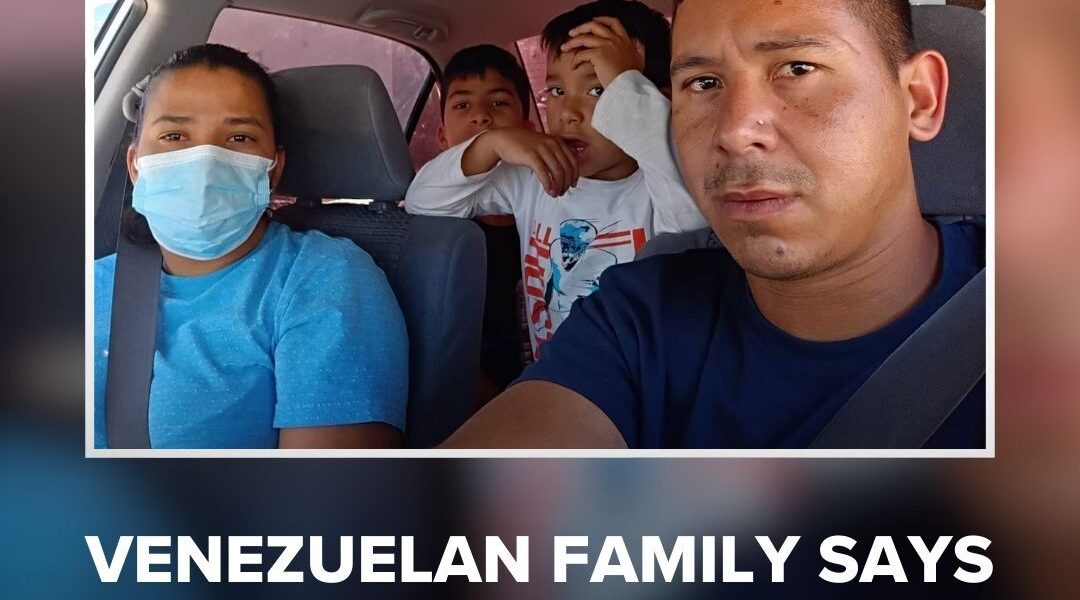
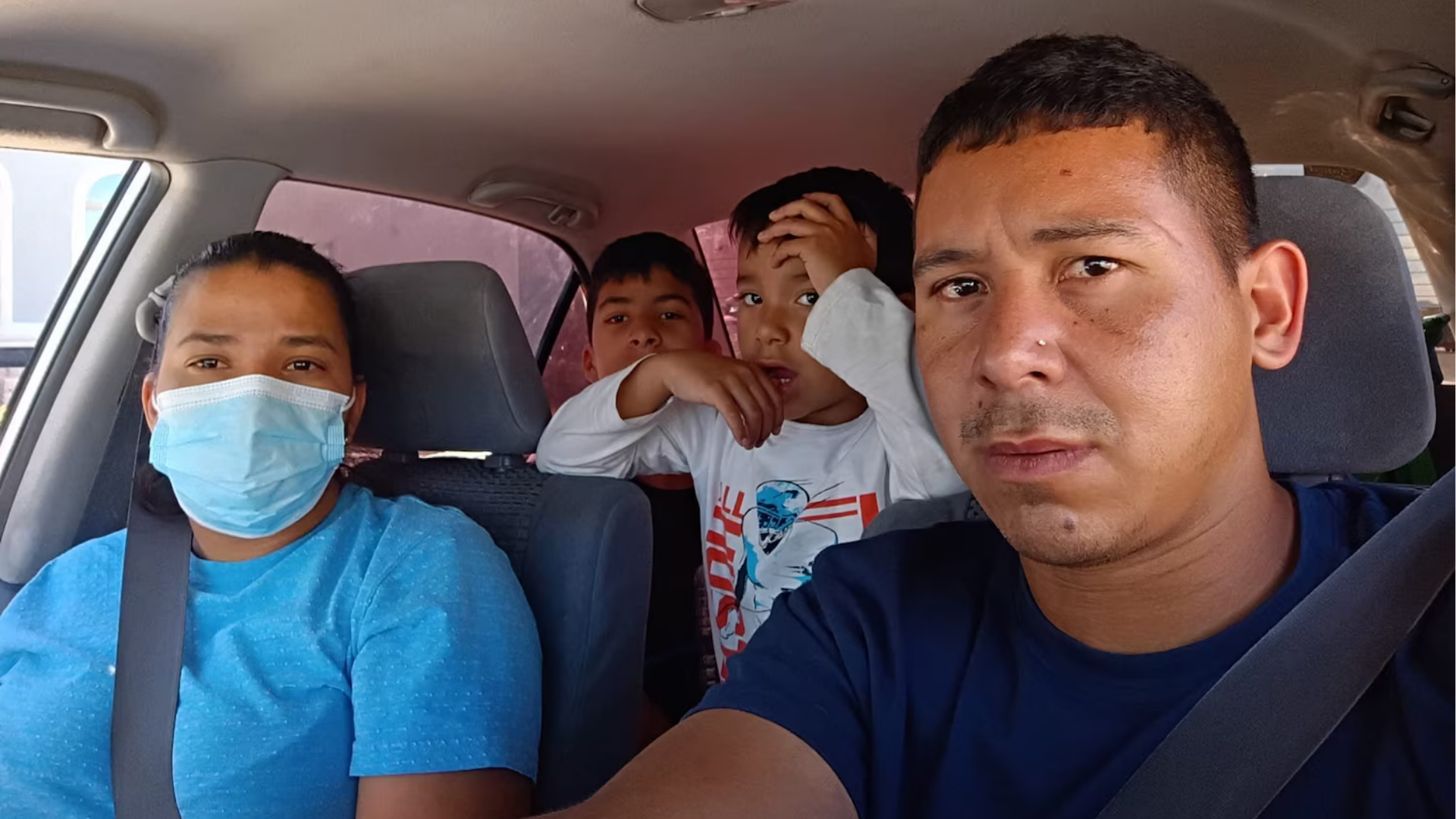
The family told ABC News they are now living in their car.
Adriana Laya and Miguel Alberto Caicedo thought their worst nightmare was over when they were released with their two children from a family detention center in Dilley, Texas.
NOTE: The video is from the previous report.
But when they returned to their home in Las Cruces, New Mexico, after being detained for two months, they faced a new nightmare. The family claims they were kicked out of their apartment during their detention and that their belongings — including their life savings and their pet dog — were taken.
“We started crying,” Laya told ABC News in Spanish. “My kids started crying over their pet, their clothes, their bed. We just held on to each other outside of the apartment.”
The family from Venezuela said they are now living in their car — the only possession they were able to recover after it was left in a government parking lot outside of where they were detained.
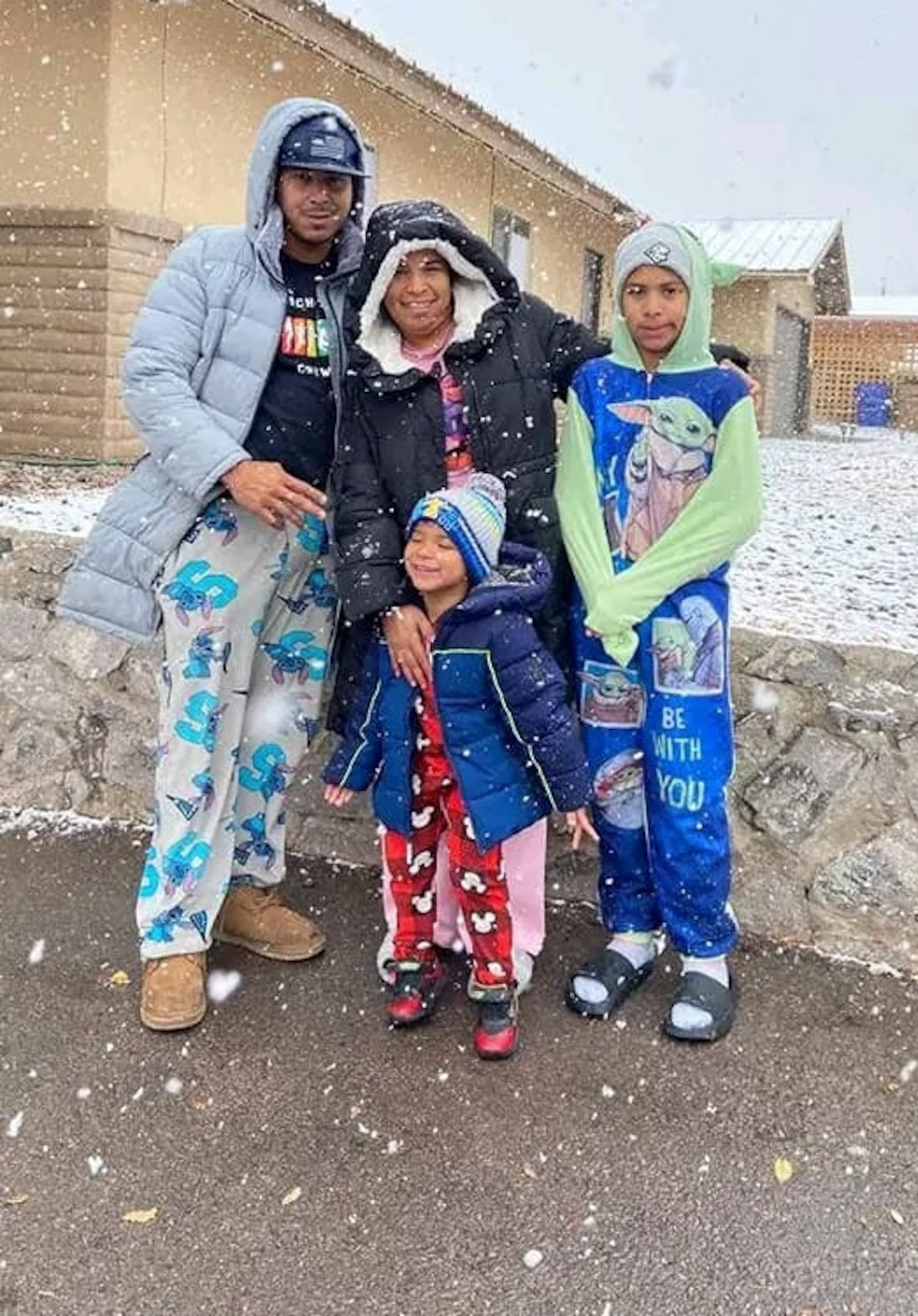
The couple and their children, ages 11 and 5, entered the United States in 2024 under the Biden administration and were released on parole to pursue an asylum claim the family says.
The family told ABC News they had built a life in New Mexico: Caicedo worked as a delivery driver, Laya cleaned hotels and their two children attended school. But in January, when the family of four showed up for a routine check-in with Immigration and Customs Enforcement, they were detained.
They say they were taken to the South Texas Family Residential Center in Dilley, Texas, a detention facility that has faced criticism from immigrant advocates over allegations of poor conditions and a lack of medical care.
As of last month, approximately 1,400 people were being held at Dilley, including children and parents, according to the immigrant legal advocacy group RAICES. The facility was closed during the Biden administration, but reopened last year as the Trump administration’s immigration enforcement measures increased.
Laya and Caicedo claim the water at Dilley was “awful” and undrinkable, and that the lights at the facility remained on even at night. They also allege medical staff ignored them when their oldest son, who has kidney issues, became ill with a fever.
“We got COVID twice,” Laya said. “I’m still coughing.”
The Department of Homeland Security did not respond to a request for comment regarding the family’s detention, but in a statement issued last month the agency disputed any suggestion that detainees are being denied proper care.
“The truth is this facility provided proper medical care for all detainees, including access to a pediatrician,” DHS Deputy Assistant Secretary Lauren Bis said in a statement. “The fact is, being in detention is a choice. We encourage all parents to take control of their departure by using the CBP Home app and receiving a free flight home and $2,600.”
The family also alleged that ICE staff pressured them several times to sign voluntary departure forms.
“We said we weren’t going to sign, and one officer got very mad and said we had to sign the papers,” Laya said.
Casey Revkin, the executive director of Each Step Home, an organization that supports immigrant detainees and helped the family with bus tickets back to New Mexico, told ABC News the family “should have never been detained.”
“This is a family that’s following the process,” Revkin said. “They lost their apartment and their jobs and the money that they saved … everything gone, everything that they’ve worked for the past two years gone.”
The couple said they were treated “as if they were criminals.”
Laya and Caicedo claim they do not have criminal records, and an ABC News review of federal and state records did not find any criminal cases or convictions. A civil court record from July 2025 shows a “Landlord Tenant Restitution of Property” case filed against Laya in which the court issued a decision in favor of the plaintiff and an order to vacate the property.
When the family was released in mid-February, they were handed a document –reviewed by ABC News — from ICE stating their parole authorization is valid for one year and will terminate upon their departure or removal from the U.S. unless ICE grants an extension.
Laya told ABC News they are now trying to save money to afford a new apartment. She and her husband sleep in their car, while their children sometimes stay with a family friend.
“I just got approved for DoorDash, thank God, so after we drop our kids off at school, we get to work,” Caicedo told ABC News. “We have to start from zero and keep going for our kids.”