Israel Launches Unprecedented Military Campaign Against Iran: Timeline, Impact, and Global Repercussions

Israel Launches Unprecedented Military Campaign Against Iran: Timeline, Impact, and Global Repercussions
For decades, Israeli military and intelligence agencies have warned of the potential threat posed by a nuclear-capable Iran. The specter of a nuclear-armed neighbor has influenced Israel’s defense strategy, diplomatic priorities, and covert operations for more than twenty years. Diplomacy, targeted strikes, cyber operations, and intelligence-gathering were all employed to slow what Israeli officials considered an existential threat.
Yet on February 28, 2026, Israel and the United States transitioned from containment to full-scale military action. The resulting offensive is now being recognized as the most significant Israeli military campaign since the nation’s founding. Entering its fourth week, the operation has transformed the geopolitical landscape of the Middle East and caused thousands of casualties throughout the region.
This report examines the events, motivations, and consequences of the ongoing campaign.
Background: From Containment to Direct Action
Months of careful planning preceded the February 28 offensive. Following the twelve-day conflict of June 2025 — during which Israeli and U.S. forces struck and significantly degraded Iran’s nuclear infrastructure — intelligence agencies continued to monitor Iran’s efforts to rebuild missile capabilities and stockpile enriched uranium.
By late 2025, Israeli military intelligence concluded that Iran was nearing a nuclear capability that would be increasingly difficult to counter. Compounding these concerns, a popular uprising erupted in Iran in January 2026, only to be violently suppressed by the government. For Israeli planners, this represented a rare strategic opportunity: Iran was internally weakened, and its regional influence appeared temporarily diminished.
The February 28 Strike: Planning and Execution
Prime Minister Benjamin Netanyahu reportedly informed U.S. President Donald Trump on February 23 of the timing and location of a high-level Iranian leadership meeting, which included Supreme Leader Ali Khamenei. Intelligence was precise, actionable, and timely. Within days, both governments authorized a coordinated offensive.
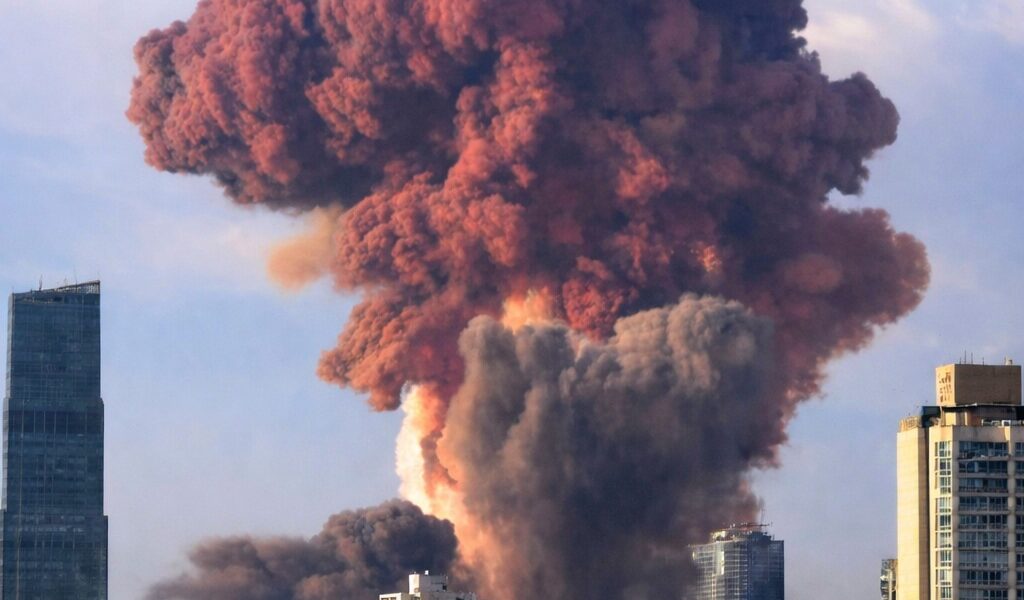
On the night of February 28, Israel launched a complex, synchronized air operation alongside American forces, known in U.S. military channels as Operation Epic Fury. The initial wave of strikes targeted dozens of sites across northern Iran, including missile storage facilities, air defense installations, command centers, and leadership compounds.
The most consequential strike was the attack on a central leadership compound in Tehran that killed Supreme Leader Ali Khamenei. Iran confirmed his death on March 1. Khamenei had led Iran since 1989, succeeding Ayatollah Ruhollah Khomeini. His assassination sent shockwaves through Iran, the Middle East, and the international community. Survivors within Iran’s leadership reportedly feared further targeted eliminations and a systematic dismantling of the Islamic Republic.
Expansion of the Offensive
In the days following the opening strikes, Israel intensified operations across the country. Military and civilian infrastructure alike were targeted. Oil storage depots in Tehran — including Aghdasieh, Shahran, and the Tehran refinery — were bombed, igniting fires that burned for days. Iran’s Deputy Health Minister warned of environmental hazards, including soil contamination, respiratory damage, and acid rain, though Israel maintained the strikes targeted facilities supplying energy to military operations.
Independent monitoring projects documented over 2,300 strikes in at least 29 of Iran’s 31 provinces. Key targets included the South Pars gas field and facilities on Kharg Island, both vital to Iran’s energy sector. These attacks contributed to a sharp rise in global oil and gas prices and triggered retaliatory strikes on neighboring Gulf states.
Targeting Iran’s Nuclear Program
Israel also focused on Iran’s nuclear facilities, including the Natanz enrichment complex, a central hub in Iran’s nuclear ambitions. Iran responded with missile strikes on Dimona, near Israel’s own nuclear research site, heightening fears of escalation between nuclear-capable adversaries.
Israel’s statements emphasized establishing air superiority, signaling an intent not just to strike, but to degrade Iran’s ability to respond from the air. Officials publicly framed their strategy as “paving the path to Tehran,” sparking global concern and condemnation from governments urging restraint.
Humanitarian Toll
The civilian impact of the campaign has been devastating. By March 17, independent human rights organizations reported over 3,100 deaths, including 1,350 confirmed civilians. Strikes on a girls’ elementary school in Minab killed more than 170 children, and at least 18 hospitals and health facilities were damaged. Iran reported over 12,000 injuries, including burns and crush injuries.
Israel disputed claims of civilian targeting, with U.S. officials emphasizing that protection of civilians remained a top priority. Iranian authorities rejected these statements, insisting that the majority of casualties were ordinary civilians.
Iranian Retaliation
Iranian counterstrikes have primarily involved ballistic missiles targeting Israeli territory. Nine missile salvoes have been launched, with Israeli defenses intercepting most threats. However, falling debris and un-intercepted missiles caused widespread damage and civilian casualties. The deadliest incident occurred on March 1 in Beit Shemesh, killing nine civilians. Later strikes hit Dimona and Arad, wounding more than 100 people.
Diplomatic Responses
The operation has drawn mixed international reactions. The United States has provided strategic support and intelligence, while the United Kingdom authorized the use of British bases to aid the strikes. The United Nations Secretary-General condemned the attacks, and multiple nations questioned their legality under international law. Spain refused U.S. use of its territory, while other countries issued repeated calls for a ceasefire.
Within Israel, Prime Minister Netanyahu framed the campaign as a historic necessity to neutralize an existential threat. Netanyahu has warned that regional allies of Iran — including Hezbollah, Iraqi militias, and Yemen’s Houthi forces — remain within range of Israeli capabilities.
Escalation in Lebanon
Alongside the Iran campaign, Israel launched intensive strikes against Hezbollah infrastructure in southern Lebanon. Nearly one million people were displaced due to evacuation orders. The Lebanese death toll exceeded 1,000, including over 100 children.
Strategic Implications
As of March 23, 2026, the Israeli campaign shows no signs of ending. Strikes continue across Iran, Iran continues retaliatory missile launches, the Strait of Hormuz remains closed to hostile shipping, and energy markets are volatile.
The operation marks unprecedented milestones: striking a sitting head of state, sustaining offensive operations within a major regional power, and reshaping Middle East strategic realities. The consequences will unfold over years, affecting regional stability, civilian populations, and international alliances.
Key Takeaways
Israel and the U.S. coordinated one of the most extensive Middle Eastern military campaigns in decades.
Iran’s leadership suffered a decisive blow with the death of Supreme Leader Khamenei.
Civilian and infrastructure casualties have been significant, sparking global humanitarian concern.
Retaliatory strikes on Israel have caused damage and fatalities, despite high levels of missile defense interception.
The conflict has intensified in Lebanon, further destabilizing the region.
Global energy markets remain in crisis due to strikes on Iranian oil and gas infrastructure.
International reaction has been mixed, with calls for restraint, ceasefire, and legal scrutiny of the strikes.
Conclusion
Israel’s ongoing military operations against Iran represent a historic shift in Middle East geopolitics. The campaign has already altered the regional balance of power, inflicted significant humanitarian costs, and drawn international scrutiny.
While the ultimate outcome remains uncertain, one fact is clear: the scale and intensity of the campaign have reshaped the strategic environment in ways that will affect global politics, energy security, and regional stability for years to come.
The world continues to watch closely as the situation unfolds, aware that the repercussions of February 28, 2026, will be felt far beyond the borders of Israel and Iran.