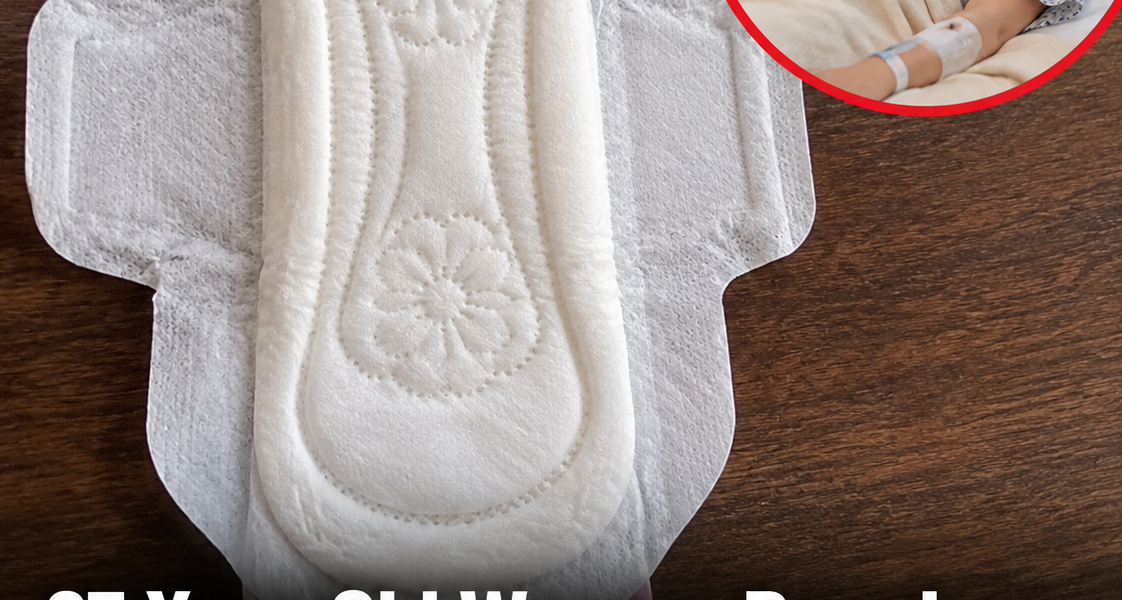

Sanitary Pad Safety: Essential Habits for Protecting Your Intimate Health
Sanitary pads are a daily staple of menstrual care for millions of women. While they are designed to be both safe and convenient, how you choose, wear, and change them plays a direct role in your comfort and skin health. Adopting a few straightforward habits—like changing pads frequently, washing your hands before and after use, and opting for gentle, non-irritating materials—can significantly reduce discomfort and keep your intimate hygiene on track.
Viral stories online occasionally warn of severe infections linked to improper pad use. It is always wise to view sensationalized headlines with a critical eye, as a social media post alone cannot confirm the true medical cause behind a complex illness. Still, the core concern is worth taking seriously: prolonged exposure to trapped moisture, friction, and harsh synthetic materials can easily trigger soreness and skin inflammation, while certain persistent symptoms may point to an underlying medical issue that requires professional care.
Learning to tell the difference between minor, everyday chafing and the warning signs of an actual infection empowers you to care for your body without unnecessary panic. Good menstrual hygiene doesn’t need to be complicated—it simply comes down to paying attention to your comfort, following basic product guidelines, and listening to your body when something feels off.

Why Proper Sanitary Pad Use Matters
During your period, a sanitary pad absorbs menstrual flow and protects your clothing. Because the vulvar area is naturally warm and delicate, wearing a pad for an extended stretch—especially in hot weather or during exercise—can trap blood, sweat, and moisture against the skin.
For many women, this buildup leads to general discomfort, odor, chafing, or mild skin irritation. Certain pads also contain added fragrances, dyes, or harsh adhesives that can trigger contact reactions in sensitive skin.
It is helpful, however, to separate surface irritation from an actual infection. Leaving a pad on for a few extra hours does not automatically cause a vaginal infection, nor is every instance of itching a sign of poor hygiene. True infections stem from various factors, including shifts in your natural bacterial balance, specific pathogens, or other underlying health changes.
Ultimately, the goal of menstrual hygiene isn’t to sterilize the area—it is to stay comfortable, prevent avoidable chafing, handle products cleanly, and know when a symptom warrants a doctor’s visit. Because every flow is different, let your comfort, absorption levels, and product guidelines dictate your routine rather than a rigid clock.
Leaving a Pad on for Too Long
Waiting too long between changes is one of the most common menstrual-care missteps. Once a pad becomes saturated with blood and sweat, it creates friction against delicate skin and can quickly lead to unpleasant odors and soreness.
A good rule of thumb is to check your pad every few hours and swap it out as needed. While changing a pad every four to six hours often works well on lighter days, treat that window as a baseline rather than a strict rule. Heavy flow, workouts, humid weather, or simply feeling damp are all cues to change it sooner. Always check the packaging for specific manufacturer recommendations.


