
Super Flu Surge Sends US Hospitalizations Climbing as Mutated Strain Spreads

Flu season has arrived with a vengeance. Across emergency rooms and pediatric wards, doctors are reporting an unusual surge in cases that feels different from years past. A mutated strain of influenza A is racing through communities, and holiday gatherings have created ideal conditions for rapid transmission.
Centers for Disease Control and Prevention estimates paint a sobering picture of where things stand. Since flu season began, approximately 4.6 million cases have been recorded nationwide. Hospitalizations have reached 49,000, and roughly 1,900 deaths have been attributed to influenza. Yet experts believe actual numbers could run even higher, given that many cases go unreported when people test at home.
What makes physicians uneasy goes beyond raw statistics. Timing and intensity have caught many off guard, with severe illness appearing weeks earlier than expected.
Her observation reflects a pattern playing out at medical facilities across the country. Schools have closed before winter break due to outbreaks. Some hospitals have tightened visitor restrictions. Pharmacies are struggling to keep Tamiflu in stock as demand for antiviral medication climbs.
A Mutated Strain Takes Hold
Behind much of the current misery sits a variant that scientists have been tracking with growing concern. Known as subclade K, it represents a mutated version of H3N2, one of the influenza A strains that routinely circulates during winter months.
H3N2 has long been recognized as a particularly aggressive form of seasonal flu. It tends to cause more severe illness than other strains, with elderly patients and young children facing the greatest risks. When subclade K emerged earlier in 2024, it carried seven new mutations that gave it an edge in evading immunity from previous infections and vaccinations.
Scientists first detected subclade K in Europe around June. By then, manufacturers had already finalized formulations for the 2025-2026 flu vaccine, leaving no opportunity to adjust for the new variant. Genetic analysis from the CDC reveals just how dominant subclade K has become. Among 216 H3N2 viruses submitted to the agency since late September, 89% belonged to subclade K.
International data offered early warnings about what might be coming. Japan declared a nationwide influenza epidemic after experiencing an unusually harsh and early season. More than 6,000 cases flooded Japanese hospitals as subclade K spread through the population. Across the United Kingdom, officials cautioned in medical journals that the country faced one of its toughest winters in recent memory. Canada reported similar patterns, with scientists warning about a mismatch between circulating strains and vaccine formulations.
Given that viruses pay no attention to borders, experts suspected subclade K had been moving through American communities for some time. Genomic sequencing has now confirmed its presence in at least 30 states and the District of Columbia. From Alaska to Florida and from California to New York, the variant has established itself coast to coast.
Symptoms Strike with Unusual Intensity

Patients infected with subclade K are reporting symptoms that feel familiar in type but alarming in severity. Standard flu signs remain present, including fever, chills, body aches, headache, fatigue, congestion, and cough. Yet intensity and speed of onset have caught many off guard.
Dr. Amanda Kravitz, a pediatrician at Weill Cornell Medicine in New York, described what physicians are witnessing on the front lines.
“Symptoms that are very intense, they come on really, really rapidly,” she said. “It’s very contagious, so it is spreading quickly through communities.”
Dr. Juanita Mora, national spokesperson for the American Lung Association, offered additional details about what she has observed in her practice. Fever is running between 104 and 105 degrees in many cases, and they resist standard treatments. Patients take Tylenol and Motrin, yet temperatures refuse to drop. When fevers do respond, they last longer than expected before resolving.
Beyond high temperatures, Mora noted that patients present with severe, phlegmy coughs that persist for days. Gastrointestinal symptoms have become more common as well, with vomiting and diarrhea appearing alongside respiratory complaints. Joint and muscle aches round out a symptom profile that leaves patients feeling as though they have been hit by a truck.
Children appear to be bearing a significant burden during the current outbreak. Pediatric emergency departments are seeing a flood of young patients whose symptoms have overwhelmed their small bodies. Some children spike fevers so high that parents rush them to emergency rooms in the middle of the night. Others develop coughs so severe that breathing becomes labored.
Flu symptoms generally appear within one to four days of exposure to an infected person. Patients remain contagious starting about a day before symptoms emerge and continuing for up to seven days afterward. Peak contagiousness occurs around day three of infection, though young children and immunocompromised individuals may spread the virus for longer periods.
Warning Signs That Demand Medical Attention

With fevers running higher and lasting longer than usual, knowing when to seek emergency care has become essential. Mora emphasized three red flags that should prompt immediate medical evaluation.
First, any fever that fails to break despite fever-reducing medication warrants concern. When temperatures stay elevated for extended periods, the body faces increased stress that can lead to complications.
Second, breathing difficulties signal potential trouble. Parents should watch for children who use chest muscles to breathe, wheeze audibly, or develop coughs that simply will not subside. Adults experiencing shortness of breath or persistent chest pressure should seek care promptly.
Third, dehydration poses serious dangers for flu patients of all ages. When people feel too ill to eat or drink, they simply lie in bed without taking fluids. For young children and elderly adults, dehydration can become life-threatening if not addressed.
CDC guidelines break down warning signs by age group. In children, parents should watch for rapid or labored breathing, bluish discoloration around the lips or face, ribs pulling inward with each breath, and severe muscle pain that prevents walking. Any child who becomes unresponsive or experiences seizures needs immediate emergency care. Infants under 12 weeks old with any fever should be evaluated right away.
Adult warning signs include persistent dizziness or confusion, inability to stay alert, severe weakness or unsteadiness, and abdominal pain that will not relent. Both children and adults should seek care if symptoms improve but then return worse than before, as secondary infections can develop after initial flu illness.
Vaccine Protection Falls Short of Expectations
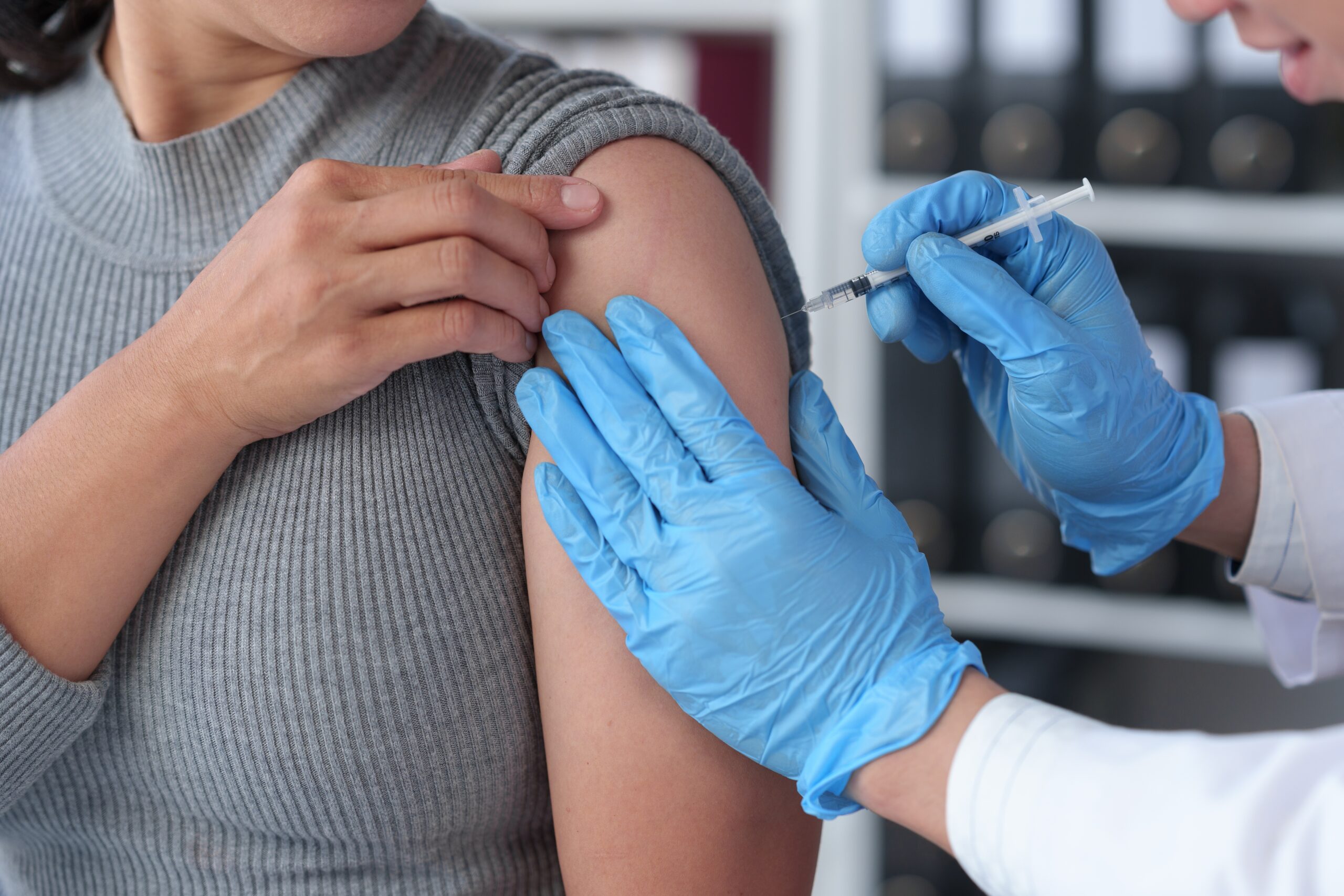
Every year, scientists face a challenging task when formulating flu vaccines. Production must begin six to nine months before flu season arrives, requiring researchers to predict which strains will circulate months into the future. Predictions rely on surveillance data from around the world, tracking what viruses are spreading and how they might evolve.
Most years, those predictions prove reasonably accurate. Vaccines typically offer 40% to 60% effectiveness against circulating strains. But sometimes, as happened in 2025, the virus outmaneuvers expectations.
Subclade K emerged just as scientists finalized vaccine formulations for the current season. Had it appeared a few months earlier, manufacturers might have been able to adjust. Instead, the H3N2 component in the 2025-2026 vaccine does not match the subclade K variant now dominating infections.
Data from the United Kingdom suggests current vaccines may offer 32% to 39% effectiveness in adults against the circulating strain. Children appear to fare better, with estimated effectiveness between 72% and 75%. While those numbers fall below ideal levels, experts stress that vaccination remains worthwhile.
Dr. Arti Barnes, chief medical officer at the Illinois Department of Public Health, noted that while the new strain appears more contagious, it remains unclear whether it causes more severe illness in vaccinated individuals. Even imperfect protection can reduce symptom severity, lower hospitalization risk, and prevent deaths.
Andrew Pekosz, a virologist at Johns Hopkins Bloomberg School of Public Health, emphasized that the current vaccine still protects well against H1N1 and influenza B, two other strains circulating during flu season. Patients who receive vaccination gain meaningful protection against those strains even if H3N2 coverage proves suboptimal.
Getting vaccinated now still makes sense for those who have not yet received a flu shot. Immunity takes about two weeks to develop after vaccination, leaving time for protection to build before flu season peaks around February.
Practical Steps for Protection

Beyond vaccination, several straightforward measures can reduce transmission risk during the weeks ahead.
Frequent handwashing remains one of the simplest and most effective defenses against respiratory viruses. Scrubbing hands with soap and water for at least 20 seconds helps eliminate viral particles picked up from contaminated surfaces.
Wearing masks in crowded indoor spaces offers another layer of protection, particularly for those at higher risk of severe illness. N95 masks provide the best filtration, though any face covering can reduce transmission when worn consistently.
Anyone experiencing flu symptoms should test promptly. Combination home tests now detect influenza A, influenza B, and COVID-19 from a single sample. Knowing which virus is responsible helps guide treatment decisions and isolation practices.
Patients who test positive for flu can benefit from antiviral medications like Tamiflu, particularly when treatment begins within 48 hours of symptom onset. Antivirals can reduce symptom severity and shorten illness duration, getting patients back on their feet sooner.
Staying home while sick protects others from exposure. CDC guidelines recommend remaining isolated until fever-free for 24 hours without medication and symptoms are improving. Even after returning to normal activities, covering coughs and sneezes helps prevent spread to vulnerable individuals.
Mora offered pointed advice for those heading into continued holiday gatherings.
“Don’t go kissing that newborn baby or grandma or grandpa at this time,” she said. “Make sure that we protect our most vulnerable.”
Looking Ahead as Peak Season Approaches

Flu season typically does not reach its peak until February, meaning weeks of potential spread lie ahead. Whether subclade K will continue its dominance or other strains will emerge remains uncertain. What seems clear is that the current season has already proven more challenging than many anticipated.
Dr. Robert Hopkins Jr., medical director of the National Foundation for Infectious Diseases, captured the sentiment among experts watching the situation unfold. “The flu is not just a cold. It can be quite severe,” he said.
His words serve as a reminder that seasonal influenza deserves respect. While most healthy adults recover without complications, the virus claims thousands of lives each year and hospitalizes tens of thousands more. Vulnerable populations face particular dangers, making community-wide precautions all the more important.
WastewaterSCAN data shows flu A concentrations have increased 260% since November and remain at high levels nationwide. Walgreens reports that over-the-counter flu test purchases have jumped 61% over recent weeks. Every indicator suggests the virus continues spreading at concerning rates.
With vigilance and collective effort, communities can slow transmission and protect those at greatest risk. Getting vaccinated, staying home when sick, wearing masks in crowded settings, and washing hands frequently may seem like modest actions. Yet when millions of people adopt these habits, the cumulative effect can soften the blow of even a challenging flu season.
Peak season is still coming. How severe it becomes depends in part on the choices made in the weeks ahead.