The Shelf-Life Mystery: Deciphering the Truth About Canned Food Safety

The Shelf-Life Mystery: Deciphering the Truth About Canned Food Safety
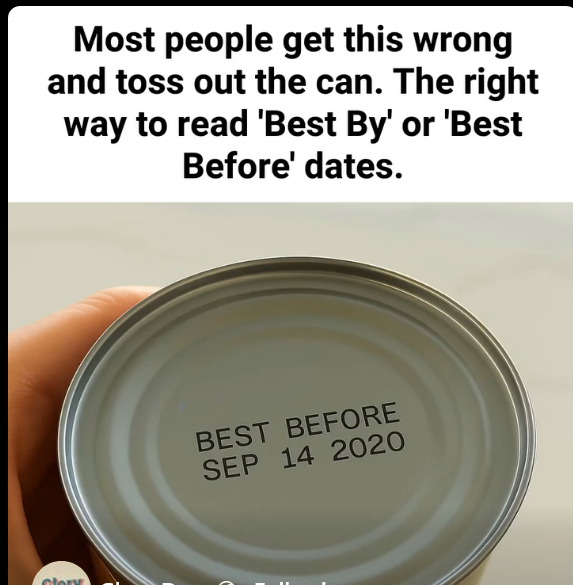
Most consumers mistakenly believe that the date printed on a can of food is a hard deadline for safety, leading to millions of tons of unnecessary food waste every year. In reality, “Best By” and “Best Before” dates are indicators of peak quality and freshness determined by the manufacturer, rather than a definitive point of spoilage. While flavor, texture, or color may subtly degrade after this window passes, the food remains perfectly safe for consumption as long as the vacuum seal remains intact and the metal packaging is undamaged.
When stored in a cool, dry environment away from direct sunlight, most canned goods can remain edible for one to five years past their printed dates, and often much longer. High-acid foods, such as tomatoes and citrus fruits, generally have a shorter shelf life because the acidity eventually interacts with the metal lining of the container. Conversely, low-acid items like beans, corn, and canned meats are incredibly durable; according to the USDA, if a can shows no signs of physical damage, the contents inside can technically remain safe to eat indefinitely, regardless of the date.
Despite the impressive durability of canned goods, certain physical warning signs indicate that a product has become a health hazard. Consumers should immediately discard any can that is bulging or swollen, as this often signals the production of gas from dangerous bacterial growth inside. Other red flags include significant rust, leaking seals, or severe dents located on the top or side seams that may have compromised the internal lining. Additionally, if the food spurts liquid unexpectedly or emits an unusual odor upon opening, it should be disposed of immediately without being tasted.
Misinterpreting food labels contributes heavily to global food waste and puts unnecessary strain on household grocery budgets. By learning to rely on physical inspection and a basic understanding of labeling terminology, families can reduce their environmental footprint and ensure that perfectly nutritious meals aren’t discarded prematurely. Proper education on food preservation turns forgotten pantry staples into a sustainable resource, allowing consumers to make informed choices that balance safety with the practical need to minimize waste.