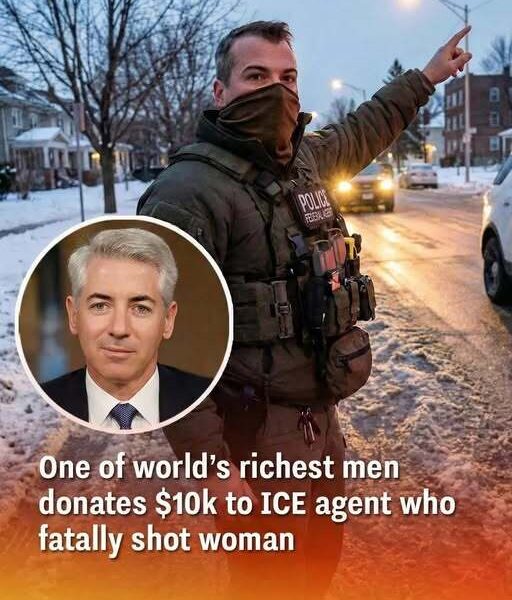
Billionaire Bill Ackman Donates $10,000 to Fund Supporting ICE Agent After Minneapolis Incident

Billionaire Bill Ackman Donates $10,000 to Fund Supporting ICE Agent After Minneapolis Incident
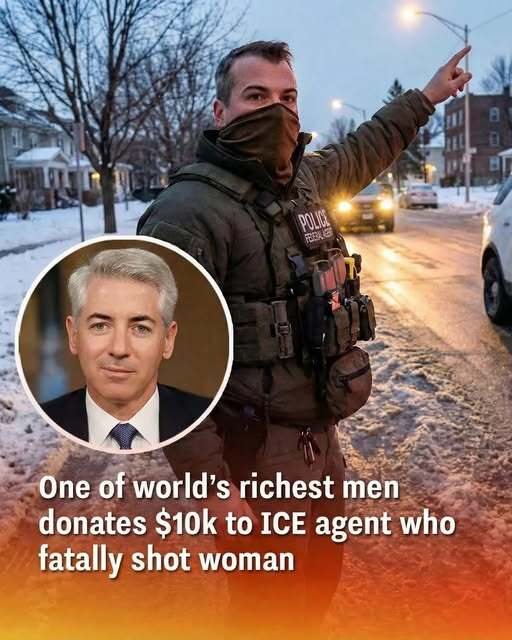
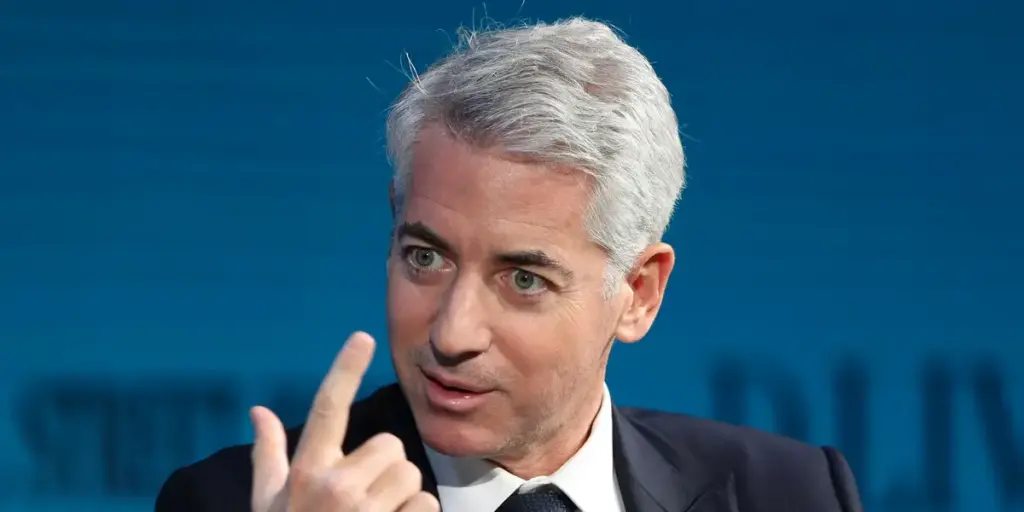
Billionaire investor Bill Ackman recently became the center of national attention after confirming a major donation supporting a U.S.
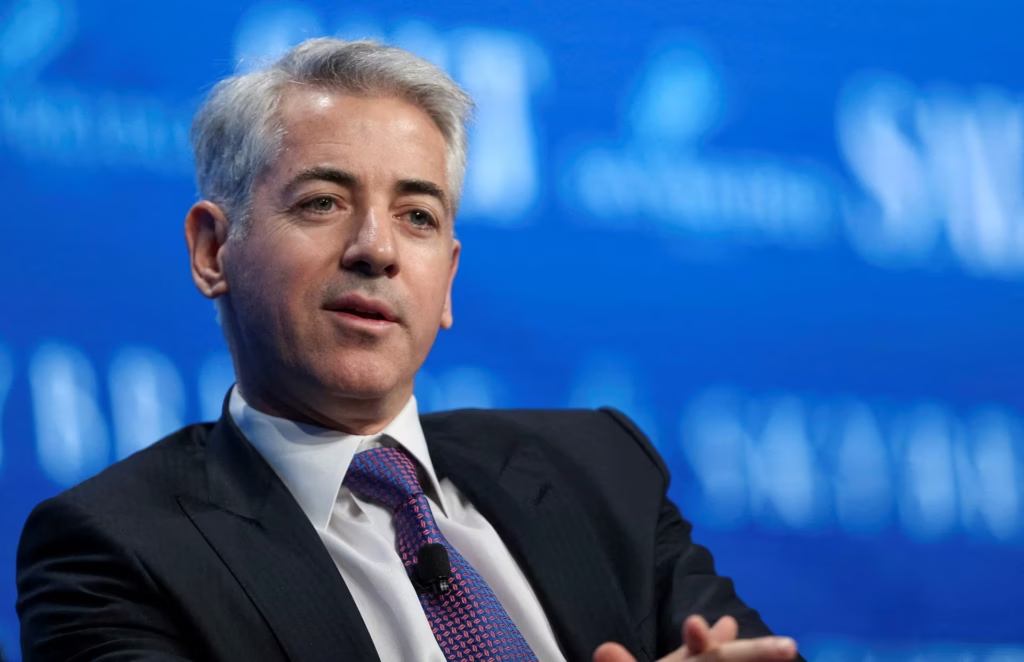
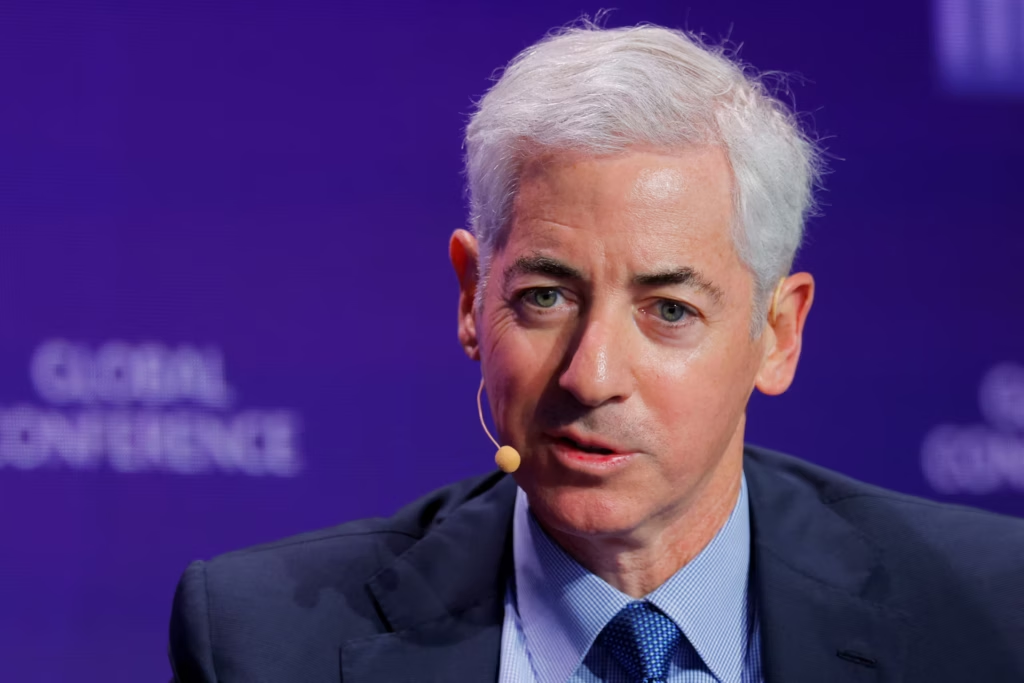
Immigration and Customs Enforcement (ICE) agent involved in a fatal incident in Minneapolis, Minnesota. Ackman, known for his high-profile hedge fund management and frequent public statements on economic issues, revealed that he was the largest contributor to a GoFundMe campaign established to assist agent Jonathan Ross following the incident.
This announcement immediately drew widespread public scrutiny and intensified ongoing discussions about law enforcement, accountability, and the role of philanthropy in politically sensitive cases.
The incident itself, which took place earlier this month, involved Renee Good, a 37-year-old mother of three children.
According to official reports, ICE officers were conducting an operation in her Minneapolis neighborhood when the encounter escalated into a fatal confrontation.
Authorities claimed that agents faced what they perceived as an immediate threat, prompting them to use force consistent with their training.
While government agencies defended the ICE unit’s actions, emphasizing that officers are trained to respond in high-risk situations with calibrated measures, the case quickly became a flashpoint in national debates over immigration enforcement practices, use-of-force policies, and public trust in law enforcement.
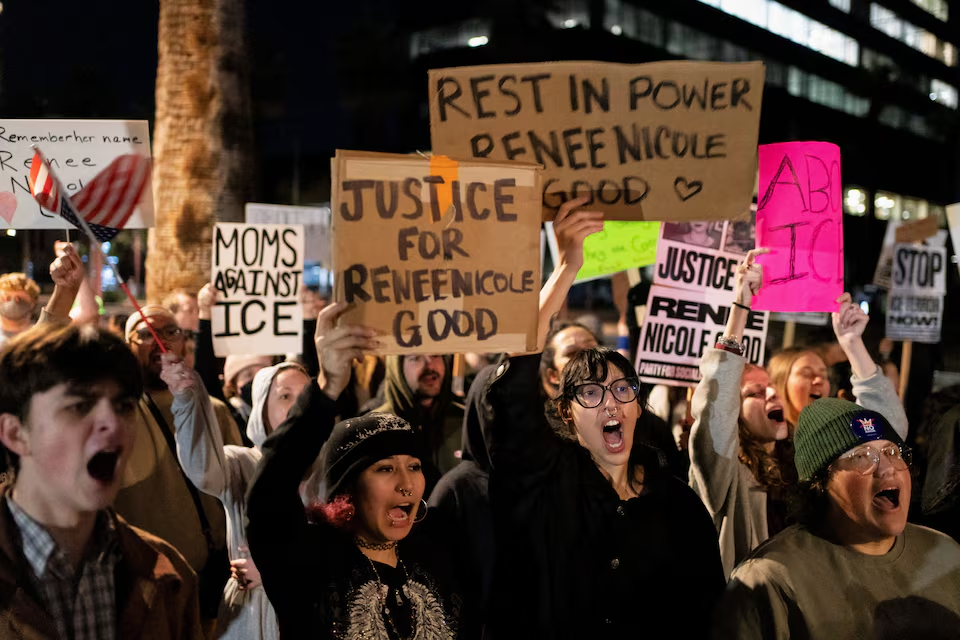
Public reactions to the incident were sharply divided. In Minneapolis, community members organized peaceful vigils to mourn Renee Good, highlighting the human cost of enforcement operations and advocating for systemic reforms.
In parallel, demonstrations in other cities reflected broader concerns about policing, immigration policy, and the balance between civil liberties and national security.
Advocates for law enforcement argued that officers must be able to respond decisively in dangerous situations to protect themselves, the public, and the integrity of federal operations.
Conversely, critics contended that the use of lethal force raised questions about transparency, oversight, and the appropriate level of accountability for federal agents.
Amid this heightened public discourse, several fundraising campaigns emerged online, each aiming to provide financial support for the involved parties. A GoFundMe campaign established for Jonathan Ross, the ICE agent at the center of the incident, quickly raised hundreds of thousands of dollars from supporters.
The campaign described the purpose of the funds as helping the agent with legal expenses, family support, and personal safety measures. Media outlets and social media users closely followed the donations, noting particularly high-profile contributions.
Among these contributions, a $10,000 donation appearing under the name “William Ackman” immediately generated speculation.
Ackman subsequently confirmed the contribution, explaining that his intent was to support due process rather than make a political or ideological statement.
He clarified that his decision was motivated by a desire to ensure that the legal rights of all involved parties were respected, emphasizing the principle that individuals should receive fair and impartial treatment under the law.
Ackman further noted that he had initially intended to donate to a fundraising campaign for Renee Good’s family; however, that campaign had already concluded after exceeding its target.
He described the entire situation as tragic and expressed hope that Americans could engage in constructive dialogue about law enforcement, community safety, and the broader societal issues surrounding such incidents.
Ackman’s involvement sparked immediate debate online and in news outlets. Supporters of his contribution praised the hedge fund manager for standing by principles of legal fairness and due process, framing the donation as an example of philanthropy directed toward procedural justice rather than political alignment.
Social media posts lauded his willingness to engage in a contentious national issue with transparency about his intentions.
Critics, however, interpreted the donation differently. Some argued that, regardless of intent, contributing to a campaign supporting an agent involved in a fatal encounter with a civilian carried symbolic weight.
They contended that such donations could be perceived as aligning with law enforcement practices that disproportionately affect marginalized communities, including immigrants and people of color.
Public discourse highlighted the complexities of philanthropic action in politically sensitive contexts: even well-intentioned contributions may have social and political implications beyond the donor’s original purpose.
The media also examined Ackman’s history of charitable activities. In recent years, he has engaged in a variety of high-profile philanthropic initiatives, ranging from emergency relief donations during natural disasters to offering financial rewards in criminal investigations to incentivize public cooperation.
These efforts often attracted attention due to the combination of financial scale and public visibility. In this instance, however, the nature of the donation—to an ICE agent involved in a controversial case—amplified the scrutiny, illustrating how philanthropy can intersect with contentious public policy debates.
Experts in philanthropy and public policy weighed in on the implications. Dr. Karen Mitchell, a professor of public policy at Georgetown University,
noted, “High-profile donations in contentious legal or social cases always carry multiple layers of impact. There’s the intended effect—supporting due process or legal representation—but also a secondary effect in the court of public opinion.
This is especially true when the issue involves law enforcement, immigration, and community trust, which are already highly charged topics in American society.”
The Minneapolis incident itself underscored the challenges faced by ICE officers operating under federal mandates. The agency routinely conducts operations aimed at enforcing immigration laws, which often involve high-risk environments and unpredictable encounters.
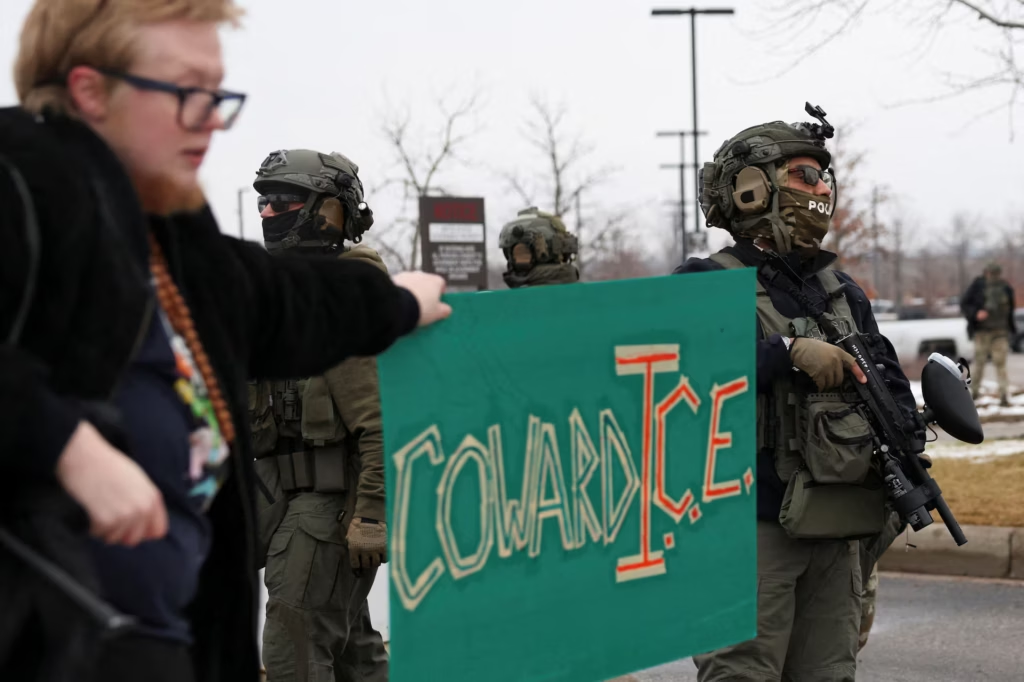
Officials maintain that agents receive extensive training in crisis management, conflict de-escalation, and the use of force, yet real-world situations can escalate unpredictably, sometimes resulting in tragedy.
In this context, supporters of agent Ross argued that legal and financial support was essential to ensure fair treatment under the law while the case underwent review and investigation.
Meanwhile, Renee Good’s family and community advocates emphasized the need for transparency, accountability, and comprehensive review of enforcement practices.
Calls for policy reforms included proposals for enhanced oversight of ICE operations, independent investigations of fatal encounters, and greater community engagement in law enforcement planning.
These debates extended beyond Minneapolis, resonating with national conversations about policing practices, immigration enforcement, and systemic inequalities.
Social media platforms amplified public reactions. Hashtags related to the case trended intermittently, reflecting both support for law enforcement and calls for justice for Renee Good.
Commentators highlighted broader systemic questions: how federal agencies balance operational safety with community accountability, how philanthropy can influence public perception, and the ethical considerations of publicly supporting individuals involved in controversial incidents.
Within financial and philanthropic circles, Ackman’s donation was analyzed for both intent and consequence. While it was framed by Ackman as a gesture in support of due process, some observers questioned the broader message it sent regarding wealth, influence, and engagement in polarizing societal issues.
Analysts noted that public figures with substantial financial resources often navigate a delicate balance when participating in high-visibility social and legal debates, as their actions may shape perceptions independently of personal motivations.
As the fallout from the Minneapolis ICE incident continued to unfold, the broader implications of Bill Ackman’s high-profile donation became increasingly apparent.
While the initial focus had been on the tragedy itself and the immediate legal ramifications for agent Jonathan Ross, public discussions quickly shifted to the intersection of philanthropy, law enforcement accountability, and the responsibilities of wealthy individuals in shaping public perception.
Legal Review and Federal Investigations
Following the incident, multiple federal and local authorities launched investigations to determine the circumstances surrounding Renee Good’s death.
Federal law requires ICE to review all fatal encounters to ensure that agents acted within the scope of their training and authority. This process includes a meticulous examination of body camera footage, agent testimony, and neighborhood witness accounts.
In parallel, local prosecutors assess potential civil or criminal liability, considering the nuances of threat perception, escalation, and de-escalation in high-stakes enforcement operations.
Experts in criminal and administrative law noted that the case exemplifies the complexities of modern policing and immigration enforcement.
Professor Daniel Whitman of the University of Minnesota Law School explained, “Federal agents operate under strict guidelines, but the real-world situations they face can be chaotic and unpredictable.
Legal review must balance ensuring accountability with acknowledging the operational realities and split-second decisions that officers make.”
The involvement of a high-profile donor like Ackman, while not directly influencing the legal proceedings, added a public relations dimension that could indirectly affect the discourse around the case.
Public commentary often conflates legal facts with perceived social endorsements, making it critical for authorities to maintain transparency throughout the investigative process.
Public Response: Polarization and Civic Discourse
The national reaction to Ackman’s donation highlighted deep divisions in public opinion regarding law enforcement and immigration policy.
Supporters praised his commitment to procedural fairness, framing the contribution as an essential safeguard for due process—a principle foundational to the U.S. justice system.
These supporters argued that public campaigns and donations help ensure that individuals, especially those in high-risk professions, receive legal representation and the financial support necessary to navigate complex investigations.
Critics, however, contended that contributing to an officer involved in a fatal encounter carried symbolic weight beyond the intent.
They argued that public philanthropy in cases with racial, socioeconomic, or immigration implications could unintentionally signal tacit approval of actions that disproportionately affect vulnerable communities.
Commentators on social media emphasized the need for public figures to weigh potential social consequences before engaging in high-visibility contributions.
This debate underscored a broader question in American civic life: how should wealthy individuals leverage their financial resources in contentious social and legal situations?
The discussion extended beyond Ackman, encompassing other philanthropists who have historically made high-profile donations in politically or socially sensitive circumstances.
Historical Context: Wealth, Influence, and Controversial Donations
Ackman’s case is not unique in the annals of American philanthropy. Throughout history, wealthy individuals have donated to causes, individuals, or organizations embroiled in controversy, often sparking public debate.
In some instances, these contributions provided crucial legal or humanitarian support. In others, they provoked backlash, raising questions about ethics, influence, and social responsibility.
For example, during civil rights disputes in the 1960s, donations to legal defense funds were critical for supporting activists facing criminal charges.
Yet, at the same time, contributions to law enforcement organizations during periods of social unrest sometimes generated public criticism, highlighting the fine line between supporting due process and appearing to endorse contentious actions.
In the modern era, online fundraising platforms have amplified the visibility and immediacy of such contributions. Social media ensures that donations, regardless of intent, are quickly scrutinized and interpreted within broader political and cultural narratives.
Ackman’s donation illustrates this dynamic: a single contribution intended to support legal fairness became a focal point in national discussions about law enforcement, civil liberties, and social responsibility.
Philanthropy and Legal Representation
From a legal perspective, philanthropic contributions to individuals involved in complex legal situations serve a practical purpose. They can provide financial support for attorneys, expert witnesses, and procedural expenses.
In cases like the Minneapolis ICE incident, these resources ensure that agents have access to competent representation, allowing investigations and trials to proceed without the distortions that might arise if one party lacked adequate legal support.
Legal scholars note that public funding disparities often influence perceptions of justice. By donating to support agent Ross, Ackman helped level the playing field, ensuring that legal outcomes would be determined based on facts and procedural integrity rather than disparities in available resources.
While controversial in optics, such donations play a role in preserving the fairness and balance of the legal system.
Media Coverage and Public Perception
Media outlets extensively covered both the incident and Ackman’s contribution, framing the story in multiple ways. Conservative-leaning platforms emphasized the principle of due process and the necessity of protecting law enforcement personnel from financial vulnerability during legal proceedings.
Progressive outlets highlighted the tragedy of Renee Good’s death, raising questions about systemic accountability and potential reforms to ICE protocols.
This divergence illustrates the challenges faced by high-profile donors: a single philanthropic act can be interpreted in multiple ways depending on political, social, and media lenses.
Ackman himself addressed this concern in interviews, emphasizing that his contribution was intended solely to ensure legal support, not to make a political statement or comment on the merits of the incident.
The Broader Societal Implications
The Minneapolis case and Ackman’s involvement serve as a microcosm of broader societal tensions surrounding law enforcement, immigration, philanthropy, and public discourse.
It highlights the delicate interplay between financial resources, public perception, and legal process.
Some scholars argue that the case underscores the need for structured mechanisms to manage high-profile donations in contentious legal contexts, balancing the donor’s intent with potential societal impact.
Others suggest that transparency and clear communication are key: by publicly explaining his motivations, Ackman mitigated some potential misunderstandings, though he could not fully control how the donation was interpreted.
Additionally, the case raises questions about the role of philanthropy in influencing public debate. Donations to support due process, legal representation, or advocacy efforts are inherently public acts, especially when made by individuals with substantial wealth or visibility.
As such, these acts can simultaneously provide practical assistance while shaping societal narratives, reinforcing the importance of strategic communication alongside financial contribution.
Moving Forward: Lessons and Reflections
As investigations continue, both the legal outcomes for Jonathan Ross and the broader societal dialogue surrounding the case remain unresolved. Nonetheless, several lessons emerge from the convergence of philanthropy, law enforcement, and public debate:
The Importance of Due Process: Even in highly charged incidents, supporting fair legal procedures ensures that outcomes are grounded in evidence and justice, rather than emotion or public pressure.
The Power and Responsibility of Wealth: High-profile donors wield influence not only through their financial contributions but also through the public perception their actions create. Strategic transparency and thoughtful engagement are critical.

Societal Dialogue Matters: Public discussion, even when polarized, highlights systemic issues and can lead to broader policy reflection, whether related to law enforcement practices, accountability, or community relations.
Media Literacy is Essential: In the digital age, social media amplifies both intent and perception. Understanding the context behind contributions and incidents is vital to forming balanced opinions.
Philanthropy as a Tool for Justice: Donations directed toward ensuring legal representation, advocacy, or procedural fairness can have real, tangible impacts on the administration of justice, particularly in high-stakes, high-visibility cases.
Ultimately, the Minneapolis ICE incident and Bill Ackman’s involvement exemplify how a single event can ripple across multiple domains: law, social justice, philanthropy, and national conversation.
While opinions may vary, the case underscores the importance of measured legal review, civic engagement, and transparent communication in navigating complex societal challenges.
It also highlights the evolving role of philanthropy in contemporary American life, where financial contributions intersect with ethics, policy, and public perception.
By documenting and analyzing both the human and systemic dimensions of such events, observers, policymakers, and citizens gain a clearer understanding of the delicate balance between supporting individuals, advocating for justice, and addressing societal expectations for accountability and fairness.