
“Top 10 Most Treacherous Beaches Around the Globe”
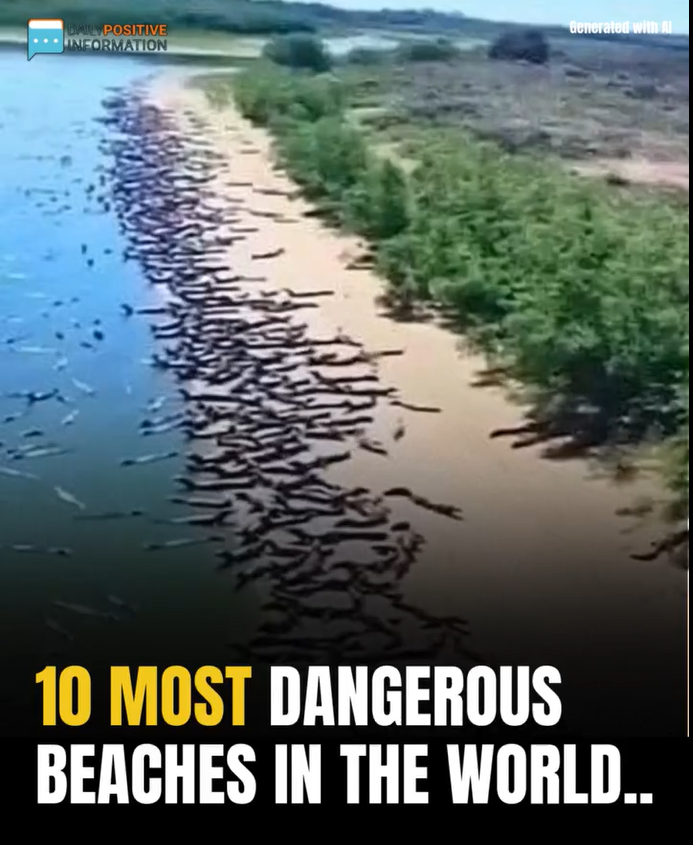
Beaches are often seen as peaceful places for swimming, sunbathing, and relaxation, welcoming families and travelers seeking calm ocean breezes and warm sunshine along the shorelines of beautiful coastlines worldwide.
However, not all beaches are as safe as they appear, and many locations around the globe hide hidden dangers, from powerful currents and rough surf to wildlife threats, pollution, or strong tidal forces.
Understanding the risks associated with these beaches can help travelers make smarter decisions, enjoy coastal destinations responsibly, and respect the power of nature that shapes every shoreline on Earth.
This article highlights some of the world’s most dangerous beaches, where hidden hazards have made these idyllic stretches of sand places visitors must approach with caution or avoid entirely.
1. Hanakapiai Beach, Hawaii, USA
Hanakapiai Beach on Kauai’s north shore is surrounded by lush cliffs and waterfalls, attracting hikers and beachgoers who explore the scenic Kalalau Trail each year.
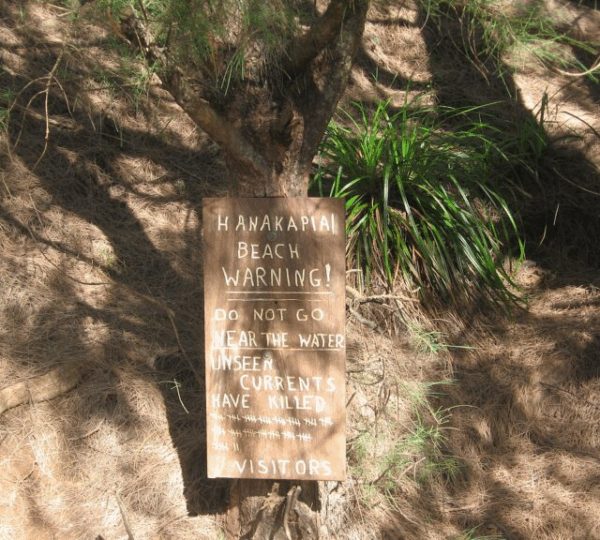
Despite its beauty, Hanakapiai Beach is infamous for powerful rip currents and unpredictable waves that have pulled many swimmers out to sea, even on calm‑looking days with clear skies above.
Rip currents at Hanakapiai can form suddenly and move fast, carrying even strong swimmers away from shore in seconds, creating extremely hazardous swimming conditions that claim scores of lives over time.
Beach signage and local surf advisories strongly warn visitors not to enter the water, yet many people unfamiliar with ocean currents disregard the warnings, leading to dangerous and sometimes fatal incidents.
The beach’s remote location and steep access trail also make rescue efforts challenging because emergency responders must navigate slippery paths to reach injured or stranded visitors.
Authorities and tour guides stress that Hanakapiai Beach is best admired from a safe distance, and swimming should only be attempted with full knowledge of local conditions and no risk tolerance.
2. Skeleton Coast, Namibia
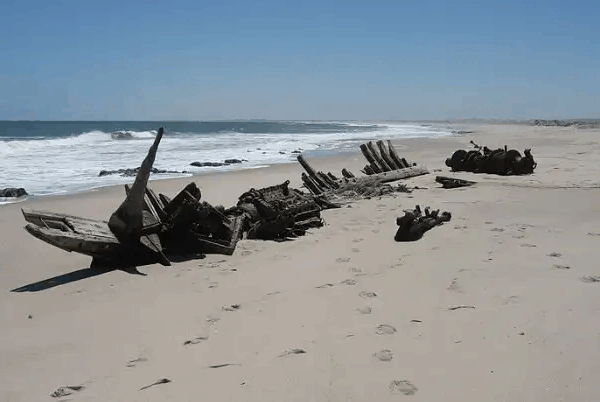
The Skeleton Coast stretches along Namibia’s northern shoreline, named for the many whalebone skeletons and shipwrecks that line its fog‑shrouded sands, painting an eerie and haunting landscape.
Large Atlantic swells and strong currents surge through these waters, making them extremely dangerous for boating, fishing, or swimming without professional safety support and specialized equipment.
Adding to the peril, great white sharks roam the offshore waters, feeding on seal colonies and shipwreck prey, often approaching close to shore where waves break with crashing ferocity.
The Skeleton Coast is also home to desert‑adapted wildlife, including hyenas, jackals, and scorpions that scavenge along the beach, posing additional risks to visitors unprepared for harsh environmental conditions.
The combination of freezing waters, strong offshore winds, and minimal infrastructure means that getting into trouble here can quickly turn life‑threatening, requiring careful planning and guided excursions.
Tour operators offering experiences along the Skeleton Coast typically emphasize safety measures, such as life jackets, radio communication, and travel only with certified guides trained in desert and marine survival.
3. Cape Tribulation Beach, Queensland, Australia
Cape Tribulation Beach is a stunning stretch of shoreline located within the Daintree Rainforest, one of the oldest rainforest ecosystems on the planet and a UNESCO World Heritage site.
While its white sands and lush backdrop seem inviting, the area is known for dangerous jellyfish, including box jellyfish and Irukandji, whose stings can be extremely painful and medically serious without timely treatment.
During the tropical stinger season, typically between October and May, beaches in this region are often closed to swimming or require protective stinger suits to prevent jellyfish contact.
In addition to jellyfish, crocodiles inhabit the waterways and estuaries near Cape Tribulation, where saltwater crocodiles can enter coastal waters without warning and present a serious threat to swimmers, anglers, and boaters.
The coastal vegetation also contains the Gympie‑Gympie stinging tree, a plant with hairs that inject painful neurotoxins when touched, causing burning sensations that may persist for days or weeks.
Visitors to Cape Tribulation are strongly advised to obey all posted warnings, swim only in designated safe areas (if available), and avoid venturing near waterways without local guidance or protective gear.
4. New Smyrna Beach, Florida, USA
New Smyrna Beach on Florida’s Atlantic coast is a beautiful seaside town with wide beaches, popular with surfers, families, and vacationers seeking warm Gulf Stream waters.
However, it has one of the highest recorded numbers of shark bites in the world, principally involving harmless exploratory encounters rather than large predatory attacks on humans.
Many shark encounters occur near sandbars, river inlets, and flush channels where baitfish and sea creatures attract sharks close to shore, especially during early morning or late evening hours.
Although the majority of shark interactions at New Smyrna result in minor injuries, the frequency is high enough that local authorities urge swimmers to remain vigilant and avoid splashing or swimming alone.
Lifeguards actively patrol the beach, and warning flags or advisories are posted during periods of increased shark activity so that visitors can make informed decisions before entering the water.
Despite the risks, New Smyrna Beach remains a popular destination for surfers and beachgoers who respect local guidelines and understand that shark presence does not mean beaches are off‑limits year‑round.
5. Fraser Island, Queensland, Australia
Fraser Island, the largest sand island in the world, features pristine freshwater lakes, towering sand dunes, and long stretches of beach often mistaken for calm swimming zones by visitors.
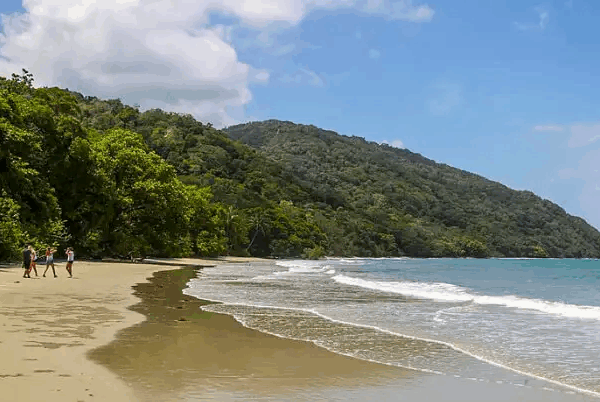
In reality, the island’s coastal waters are inhabited by venomous jellyfish species and a resident population of wild dingoes that patrol the beaches and inland areas, making human encounters unpredictable.
Dingoes on Fraser Island are considered apex predators; while they typically avoid humans, there have been documented cases of aggressive behavior toward people carrying food or approaching their pups.
The powerful ocean currents and shifting sandbars along Fraser Island also contribute to rough surf conditions that can overwhelm swimmers, even those experienced in open water environments.
Beach access on Fraser Island often requires a four‑wheel‑drive vehicle, meaning that many remote areas lack lifeguards, emergency stations, or immediate support in case of accidents or wildlife incidents.
Authorities recommend swimming only at patrolled beaches, avoiding open water during jellyfish season without protective stinger suits, and never feeding or approaching dingoes under any circumstances.
6. Gansbaai, South Africa
Gansbaai, a coastal town in South Africa’s Western Cape, is nicknamed “Shark Alley” because of its high concentration of great white sharks feeding on marine mammals in nearby waters.
The region is famous for shark cage diving experiences, where thrill‑seekers descend into the ocean in secure enclosures to observe these majestic predators in their natural habitat from a close but safe vantage point.
While cage diving is controlled and conducted under strict safety protocols, swimming freely in Gansbaai’s open waters is strongly discouraged due to the unpredictable presence of large sharks that can approach without warning.
Great white sharks in the area can reach lengths of over five meters and possess acute sensory systems that detect splashing or movement, making anything in the water potentially interesting to investigate.
Local tour operators emphasize that open swimming, surfing, or snorkeling in Gansbaai waters should only occur with trained guides, emergency plans, and strict adherence to safety instructions at all times.
Despite the danger, the area remains a major ecotourism destination for shark tourism, attracting scientists, photographers, and visitors interested in marine conservation and the behavioral study of apex predators.
7. Playa Zipolite, Mexico
Playa Zipolite on Mexico’s southern Pacific coast is known locally as the “Beach of the Dead,” a nickname that stems from its powerful riptides and strong undertows that challenge even strong swimmers.
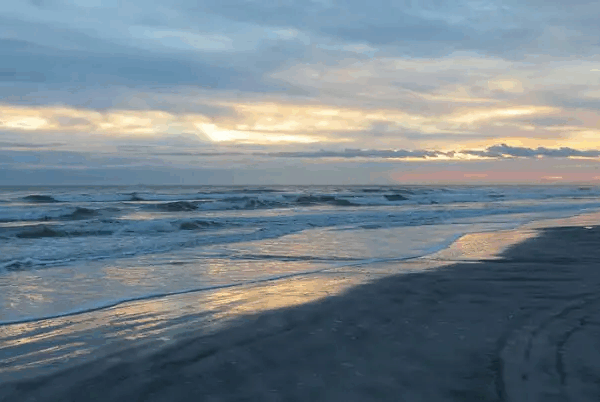
Unlike many resort beaches, Zipolite’s natural surf patterns create unpredictable currents that shift quickly with tidal changes, creating sudden pull through channels that drag bathers far offshore.
There are no protective reef systems here to soften the waves, and lifeguard presence is sporadic, meaning that many beachgoers underestimate the strength of the water and overestimate their swimming ability.
Local signage and community warnings advise against entering the ocean without experience and urge visitors to stay close to shore when conditions appear rough or unsettled.
Zipolite attracts surfers, backpackers, and free‑spirited travelers who enjoy the beach’s relaxed atmosphere, bohemian vibe, and beautiful sunsets, but respect the water’s power by swimming selectively.
Beachfront restaurants, local hosts, and guides often emphasize safety tips, such as not swimming alone, knowing your limits, and watching for changing wave patterns that signal stronger currents.
8. Kilauea Beach, Hawaii, USA
Kilauea Beach on Hawaii’s Big Island lies near the famous Kīlauea volcano, one of the world’s most active volcanic systems that erupts periodically, sending lava flows toward the sea.
When molten lava enters the ocean, it heats the seawater intensely, creating superheated water, poisonous gases, and acidic plumes that can injure or incapacitate swimmers and beach visitors who approach too closely.
The ocean around Kilauea can contain volcanic glass, sharp lava fragments, and unpredictable steam explosions where lava meets water, making certain shoreline sections extremely hazardous at times.
Air quality near lava entry points may also degrade quickly, releasing sulfur dioxide and other volcanic gases that irritate the eyes, lungs, and skin, especially in unprotected visitors or those with respiratory issues.
Hawaii Volcanoes National Park and local authorities post frequent updates and restrictions when volcanic activity increases, advising visitors to stay well clear of areas where lava contacts the sea.
Tourists are encouraged to follow posted warnings, stay on designated paths, and consider guided tours that bring expert knowledge and safety precautions to volcanic coastal excursions.
9. Chowpatty Beach, Mumbai, India
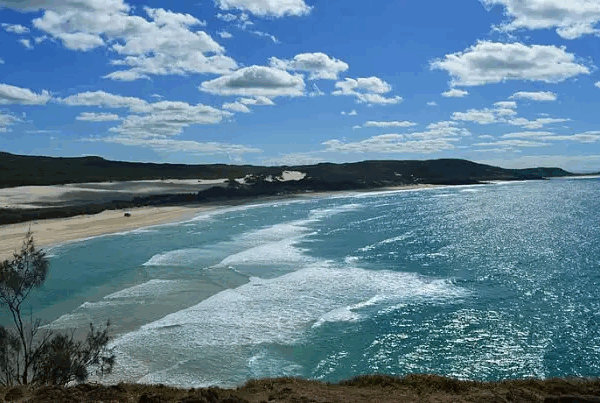
Chowpatty Beach in Mumbai is one of India’s most famous urban shorelines, attracting crowds for festivals, local snacks, and sunset walks along the promenade near India Gate and Marine Drive.
While culturally vibrant, the beach has been plagued by severe pollution problems, with untreated sewage, industrial effluent, and solid waste contaminating the water and shoreline for decades.
Swimming at Chowpatty is strongly discouraged because water quality regularly fails international safety standards, posing risks of skin infections, gastrointestinal illness, and exposure to harmful pathogens.
Despite municipal cleanup efforts, the beach continues to suffer from waste build‑up after heavy rains, overflowing drains, and plastic pollution brought in from surrounding urban areas along the Arabian Sea.
Local health advisories often warn visitors, especially children and people with weakened immune systems, not to enter the water or allow contact with contaminated sand and sea foam.
Chowpatty remains important culturally and socially, but authorities and environmental organizations continue working toward sustainable solutions to improve water quality and protect public health.
10. Amazon River Beaches, South America
Beaches along the Amazon River and its tributaries in South America offer stunning natural beauty, unique ecosystems, and wildlife viewed by river travelers and eco‑tourists.
However, these freshwater beaches can contain dangerous wildlife such as piranhas, caimans, anacondas, and other animals adapted to tropical river environments that pose real risks to humans in the water.
Piranhas are opportunistic fish with sharp teeth and a reputation for biting, especially when water levels are low and food is scarce, although attacks on humans are uncommon with proper precautions.
Caimans, relatives of crocodiles, may rest near shorelines and can react aggressively if startled, making swimming in unmonitored areas risky without local guidance and experience with river conditions.
Large river snakes such as anacondas may inhabit waterways and dense vegetation near beaches, and although they rarely interact with humans, their presence reinforces the need for respect and caution.
Travelers visiting Amazon beaches often do so by guided tours with river guides, boat captains, and safety briefings, ensuring that wildlife encounters are understood and managed with appropriate precautions.
Environmental factors like strong current flows, sudden rain swells, and remote locations also make these river beaches dangerous without experienced support and safety planning.
Final Notes on Beach Safety
While beaches can be breathtakingly beautiful, nature’s power along coastlines and waterways should never be underestimated, even in places that appear calm and inviting.
Before visiting any beach, research local conditions, heed posted warnings, consult lifeguards, and understand seasonal hazards like jellyfish seasons, rip current patterns, wildlife activity, or water quality alerts.
Knowing how to identify dangerous currents, choosing lifeguarded areas, and having basic water safety knowledge can help prevent tragedies and ensure that a beach visit remains enjoyable and safe for everyone.
Whether you’re traveling abroad or exploring beaches closer to home, respect the ocean, rivers, and natural forces that shape every shore and make informed choices that prioritize your well‑being.