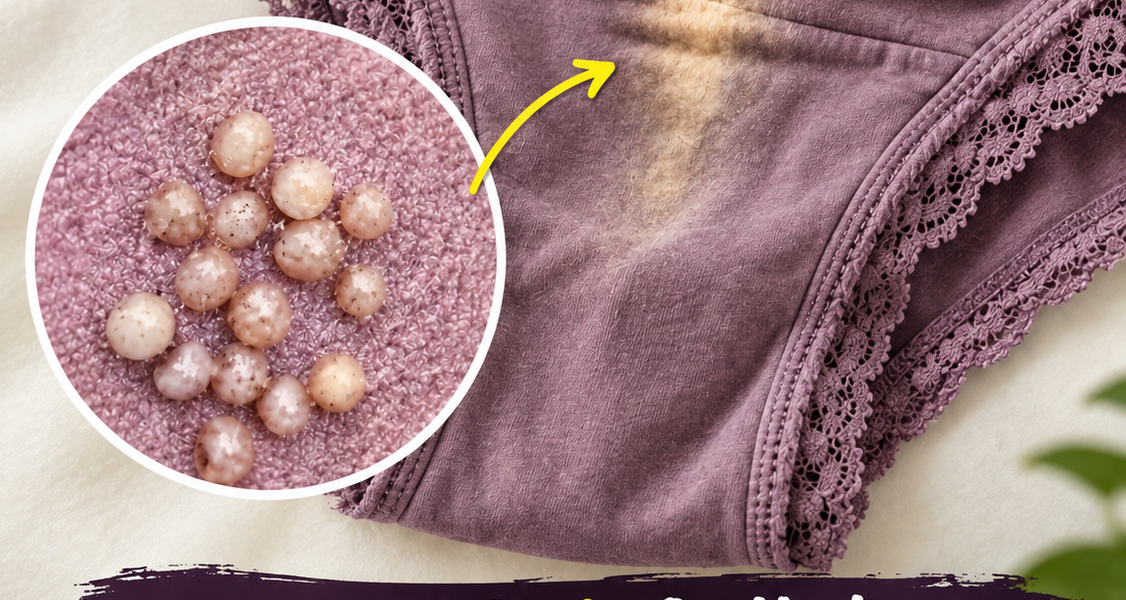


Is Your Body Trying to Tell You Something? A Guide to Intimate Health
The body rarely hides when something is out of balance—it sends subtle signals long before major issues arise. But because intimate symptoms can feel awkward to discuss, many people play the waiting game with persistent itching, unusual discharge, or unexpected discomfort.
The Baseline Test: What’s Normal? Healthy bodily fluids aren’t static. Hormones, stress, medications, and your monthly cycle mean clear, white, or slightly cloudy discharge is standard territory.
When to Pay Attention The red flag isn’t normal variation; it’s sudden, lingering change. If you notice a distinct shift in color, texture, or scent—or if discomfort sets in—don’t wait for it to self-correct. Listening to those early cues is the fastest path to staying healthy.


Key Clinical Indicators Requiring Assessment
The following symptoms warrant formal evaluation if they persist beyond expected short-term fluctuations:
-
Atypical Fluid Alterations: Unexplained variance in color, density, or volume.
-
Cutaneous & Mucosal Irritation: Sustained pruritus (itching), erythema (redness), or burning.
-
Dysuria & Pelvic Discomfort: Stinging during urination or pain during daily routine activities.
-
Dermatological Changes & Odor: Persistent unpleasant odor or skin integrity changes.
-
Recurrent Presentations: Symptoms that resolve temporarily but repeatedly return.
Primary etiologies often overlap significantly—bacterial imbalances, fungal infections, allergic contact dermatitis, and systemic or hormonal shifts share near-identical clinical presentations. Consequently, clinical diagnosis and laboratory validation are required to ensure appropriate therapy.
Clinical Advantages of Early Diagnostics
Delaying clinical evaluation often complicates management. Early diagnostic assessment via history taking, physical examination, and targeted pathology testing yields two distinct clinical benefits:
-
Rapid initiation of targeted antimicrobial, antifungal, or soothing therapy.
-
Prompt exclusion of serious underlying pathology, providing immediate patient reassurance.
Preventive Care & Maintenance Strategies
Patient self-care practices play a supportive role in maintaining tissue health and avoiding secondary irritation:
-
Hygiene Practice: Utilize mild, unfragranced cleansers; avoid internal douching or abrasive hygiene products.
-
Apparel Choices: Prioritize breathable, moisture-wicking fabrics to reduce friction and humidity.
-
Systemic Health: Maintain optimal hydration, balanced dietary intake, and consistent preventative health screening.


Your Body May Be Sending You Signals: 10 Changes in Vaginal Health You Should Never Ignore
Paying attention to subtle shifts in your health is a fundamental act of self-care. Many reproductive and intimate health conditions begin with quiet signals rather than sudden, dramatic symptoms. Learning to recognize these changes is not about creating anxiety or jumping to self-diagnoses—it is about staying informed, respecting your body’s natural baseline, and knowing when to seek compassionate medical guidance.
What Does “Normal” Actually Look Like?
Vaginal discharge is a essential function of a healthy reproductive system. Produced by glands inside the vagina and cervix, it carries away dead cells and bacteria, keeping the tissue clean, hydrated, and protected against infection.
Typical Characteristics of Healthy Discharge
-
Color: Clear, off-white, or milky white.
-
Consistency: Ranges from thin and watery to sticky, stretchy (like raw egg whites), or thick and creamy depending on where you are in your menstrual cycle.
-
Odor: Mild or slightly acidic due to natural, healthy vaginal bacteria (Lactobacilli), but never sharp, foul, or fishy.
-
Volume: Varies naturally throughout the month—increasing during ovulation, sexual arousal, pregnancy, or periods of high physical stress.
10 Physical Changes You Shouldn’t Ignore
While everyday fluctuations are completely benign, persistent changes often warrant a professional check-in. Here are 10 key signals to watch for:
1. Clumpy or Cottage Cheese-Like Texture
If discharge turns thick, white, and clumpy—resembling cottage cheese—it is often accompanied by intense itching or redness. This classic presentation frequently points toward a yeast infection (candidiasis), though an accurate clinical check confirms it.
2. Thin, Grayish-White Fluid with a Strong Odor
A thin, watery discharge that appears dull white or gray and carries a distinct “fishy” scent (especially noticeable after sex or washing) is a common sign of Bacterial Vaginosis (BV)—a mild imbalance of the natural vaginal flora.
3. Yellowish-Green or Frothy Discharge
Discharge that takes on a yellow-green hue, becomes frothy or bubbly, or has a heavy texture can signal irritation or an infection, including sexually transmitted infections (STIs) such as trichomoniasis.
4. Unexplained Brown or Pink Spotting
Occasional light spotting right before or after your period is routine. However, mid-cycle spotting, bleeding after intercourse, or unexpected post-menopausal bleeding should always be evaluated by a healthcare provider.
5. Persistent External Itching, Burning, or Redness
Sustained itching or irritation around the vulva isn’t always caused by an infection. It frequently stems from contact dermatitis—an allergic reaction or sensitivity to laundry detergents, scented soaps, synthetic fabrics, or body washes.
6. Burning Sensation During Urination (Dysuria)
Pain, stinging, or heat during urination can occur when urine contacts inflamed vaginal tissue, or it can point to a Urinary Tract Infection (UTI) or urethral inflammation.
7. Deep Discomfort or Pain During Intercourse
Discomfort during intimacy (dyspareunia) can stem from simple factors like hormonal changes or inadequate lubrication, but persistent pain should be discussed with a doctor to rule out pelvic floor tension, inflammation, or underlying conditions like endometriosis.
8. Strong, Unpleasant, or Sudden Odor Shifts
While every body has a natural scent, a sudden, sharp, metallic, or putrid odor—especially when accompanied by unexpected discharge—suggests an altered vaginal microbiome or a forgotten tampon.
9. Unexplained Skin Changes, Bumps, or Lesions
New bumps, blisters, sores, or thickened patches of skin on or around the vulva require a medical examination rather than home treatment or topical creams.
10. Symptoms That Repeatedly Recur
If you experience symptoms that clear up temporarily only to return every few weeks, avoid over-the-counter self-treatment. Recurrent symptoms often indicate an incomplete treatment cycle or an unaddressed root cause.
Common Causes of Symptoms (And Why Self-Diagnosis Fails)
It is easy to look up symptoms online and assume a specific cause, but intimate health conditions share heavily overlapping symptoms.
| Symptom Pattern | Potential Underlying Causes |
| Itching + Thick White Discharge | Yeast infection, contact dermatitis, cytolytic vaginosis |
| Thin Gray Discharge + Odor | Bacterial Vaginosis (BV), hormonal fluctuations, pH shift |
| Painful Urination + Spotting | UTI, STI, cervical inflammation, tissue dryness |
| Redness + Localized Stinging | Soap/fragrance sensitivity, tight synthetic clothing, eczema |
Because yeast infections, bacterial imbalances, allergies, and STIs can look nearly identical on the surface, guessing often leads to buying the wrong over-the-counter remedies, which can irritate sensitive tissues further.
When to See a Healthcare Professional
You do not need to wait until symptoms become unbearable to book an appointment. Reach out to a doctor or gynecologist if:
-
Symptoms persist for more than 3 to 5 days.
-
You experience severe pelvic or lower abdominal pain.
-
You develop a fever, chills, or general body aches alongside local discomfort.
-
You are pregnant and notice any unusual discharge or bleeding.
-
You suspect exposure to an STI.
Safe, Evidence-Based Practices for Intimate Wellness
Supporting your body’s natural defenses doesn’t require complex routines or specialized products. In fact, simple habits are usually the most effective:
-
Practice Gentle External Hygiene: Cleanse the external area (the vulva) using warm water or a mild, fragrance-free cleanser. Never douche—the internal vagina is self-cleaning, and douching strips away protective bacteria.
-
Choose Breathable Fabrics: Wear loose-fitting, breathable cotton underwear and avoid staying in damp gym clothes or wet swimwear for extended periods.
-
Avoid Fragrances & Irritants: Skip scented tampons, pads, bubble baths, intimate sprays, and harsh laundry detergents.
-
Support Overall Immunity: Stay well-hydrated, eat a balanced diet rich in fiber and fermented foods (like yogurt or kefir), and manage stress levels to support microbiome health.
-
Schedule Regular Checkups: Routine preventative screenings and open conversations with your doctor are your best tools for long-term health.