She Lost Everything to a Simple Habit—Don’t Follow in Her Footsteps

She Regretted This Habit Too Late—Don’t Make the Same Mistake
A healthy lifestyle is often considered the ultimate foundation for longevity. Eating vegetables, exercising regularly, avoiding smoking, and choosing nutritious foods are habits that healthcare professionals consistently recommend.
But what happens when someone follows all the rules and still faces a devastating diagnosis?
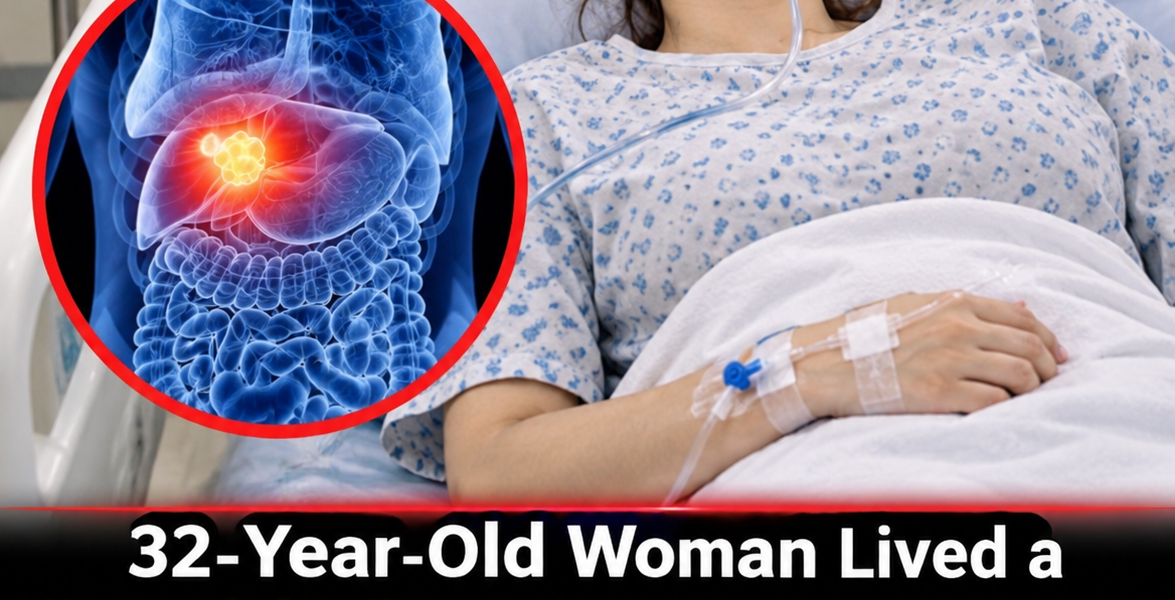
Imagine being just 32 years old, eating what you believe is a clean diet, maintaining an active routine, and rarely touching processed foods, only to discover you have liver cancer. For anyone, such a diagnosis is completely unexpected. It shatters the illusion that living “right” provides absolute immunity from severe illness.
Stories like this spark intense public debate about nutrition, everyday food choices, and liver health. Social media often seizes on these narratives, blaming specific vegetables or natural plant compounds. However, distinguishing between actual toxic risks and internet sensationalism is essential to avoid unnecessary fear while protecting your long-term health.
1. Why Can Someone Develop Liver Cancer at Just 32?
Liver cancer is commonly associated with older adults, but it can—and does—occur in younger populations.
The liver is located in the upper-right portion of the abdomen and performs hundreds of vital functions: processing nutrients, regulating blood chemicals, producing bile, storing energy, breaking down medications, and filtering the bloodstream. Because it touches nearly every metabolic pathway, long-term cellular damage can have profound consequences.
Primary liver cancer begins when abnormal cells in the liver multiply uncontrollably. The most common form in adults is Hepatocellular Carcinoma (HCC). While older individuals face higher statistical risks, younger adults can develop HCC due to factors such as:
-
Chronic Hepatitis B or Hepatitis C infection
-
Liver cirrhosis or long-term inflammation
-
Metabolic dysfunction-associated steatotic liver disease (MASLD)
-
Inherited metabolic disorders
-
Exposure to dangerous food-borne contaminants like aflatoxins
-
Heavy, prolonged alcohol consumption
Crucially, liver cancer does not always stem from an obviously reckless lifestyle. A person can exercise daily, eat a balanced diet, and avoid alcohol entirely while carrying an undiagnosed underlying risk factor. Healthy habits lower risks significantly, but they cannot eliminate every biological vulnerability.
2. Understanding the Liver: The Body’s Chemical Processing Center
Your liver works around the clock to keep your body in balance. Its core responsibilities include:
-
Nutrient Processing: Transforming digested carbohydrates, fats, and proteins into usable energy or storage.
-
Bile Production: Producing bile to help the digestive system break down and absorb dietary fats.
-
Metabolizing Substances: Processing prescription medications, over-the-counter drugs, and supplements.
-
Managing Blood Sugar: Storing glucose as glycogen and releasing it to maintain stable energy levels between meals.
-
Filtration and Detoxification: Transforming waste products so they can be eliminated via bile or urine.
However, the liver is not an infinite detoxification machine. Overwhelming it with high concentrations of certain toxins or chemicals can damage liver cells, which is why understanding what enters your body matters deeply.
3. Can Eating Certain Vegetables Actually Be Toxic?
Certain plants contain natural chemical defenses that become harmful when consumed improperly or in excessive quantities. However, the risks vary dramatically:
-
Cassava: A vital staple food worldwide, but certain varieties contain cyanogenic glycosides. If insufficiently processed (peeled, soaked, fermented, and cooked), it can release hydrogen cyanide, causing acute poisoning and neurological issues. Properly prepared cassava is entirely safe and nutritious.
-
Green or Sprouted Potatoes: Damaged, green, or heavily sprouted potatoes accumulate glycoalkaloids like solanine and chaconine. High exposure causes severe gastrointestinal distress and neurological symptoms. Cooking does not reliably destroy these compounds—discard heavily green or bitter potatoes.
-
Raw or Undercooked Kidney Beans: These beans are rich in nutrients, but raw or undercooked beans contain high levels of phytohaemagglutinin (a natural lectin) that causes intense gastrointestinal illness. Vigorous boiling after proper soaking is mandatory; slow cookers should never be used as the sole cooking method for raw beans.
-
Wild Mushrooms: While not botanically vegetables, wild mushrooms containing amatoxins can cause catastrophic, acute liver failure. Never consume wild mushrooms unless verified by an expert.
The takeaway: Natural plant foods are not automatically dangerous, but preparation, proper identification, and food safety standards matter. There is no reliable scientific proof that an ordinary, properly prepared vegetable directly causes liver cancer in healthy people.
4. Aflatoxins: A True Food-Related Concern
When discussing food and liver cancer, the most critical dietary threat is aflatoxin contamination, not ordinary vegetables.
Aflatoxins are toxic compounds produced by Aspergillus fungi that thrive on improperly stored agricultural products—particularly corn, peanuts, tree nuts, and grains kept in warm, humid conditions.
-
The Danger: Aflatoxin B1 is classified as a human carcinogen. When metabolized in the liver, it can bind to DNA, causing genetic mutations that dramatically increase the risk of hepatocellular carcinoma—especially in individuals with underlying chronic hepatitis B.
-
Prevention: Buy grains and nuts from reputable suppliers, store dry goods in cool and airtight containers, and immediately discard moldy, musty, or discolored foods. Regular cooking does not reliably destroy aflatoxins.
5. Can a “Healthy” Diet Still Hide Liver Risks?
Many people consume diets rich in perceived health foods—such as large quantities of fruit smoothies, agave syrups, or foods high in hidden sugars—while overlooking total caloric intake.
Over time, excessive calorie consumption and sedentary habits can lead to Metabolic Dysfunction-Associated Steatotic Liver Disease (MASLD), formerly known as nonalcoholic fatty liver disease. Fat accumulates in the liver cells, which can progress to inflammation (MASH), scarring (fibrosis), and eventually cirrhosis—a major risk factor for liver cancer. A person can eat plenty of vegetables and still face metabolic risk factors that require medical oversight.
6. Major Structural Risk Factors: Hepatitis and Alcohol
To protect your liver, focus on the factors with the strongest scientific link to liver disease:
-
Hepatitis B & C: Viral hepatitis causes chronic inflammation and repeated liver cell damage, leading to cirrhosis and cancer over time. Hepatitis B is preventable via a highly effective vaccine, and modern antiviral therapies can cure most cases of Hepatitis C. Knowing your viral status is vastly more important for liver health than fearing ordinary vegetables.
-
Alcohol: Processed primarily by the liver, chronic heavy alcohol consumption causes alcoholic fatty liver disease, hepatitis, and cirrhosis, multiplying liver cancer risk.
7. What Foods Support a Healthy Liver?
While no single “superfood” guarantees immunity, a liver-friendly dietary pattern emphasizes whole, minimally processed foods:
-
Leafy Greens & Cruciferous Vegetables: Spinach, kale, broccoli, and Brussels sprouts provide essential fiber, vitamins, and support overall metabolic health.
-
Whole Fruits & Grains: Apples, berries, oats, and brown rice help maintain stable blood sugar and reduce metabolic stress.
-
Legumes & Healthy Fats: Lentils, beans, olive oil, nuts, and fish provide sustained energy and healthy lipids.
What to Limit:
-
Excess added sugars and sugar-sweetened beverages
-
Highly processed, calorie-dense convenience foods
-
Excessive alcohol consumption
-
Unregulated herbal supplements and commercial “detox teas,” which are notorious for causing drug-induced liver injury
8. Why Early Detection Matters
The liver has an incredible functional reserve, meaning it can continue working even when partially compromised. Consequently, early liver cancer and fatty liver disease often produce no symptoms at all.
When symptoms do appear in advanced stages, they can include unexplained weight loss, upper-abdominal discomfort, fatigue, and jaundice (yellowing of the skin or eyes). For individuals with known risk factors like cirrhosis or chronic hepatitis, routine medical surveillance is life-saving, as early-stage liver cancer offers significantly better treatment outcomes.
9. Common Myths vs. Medical Facts
-
Myth: Eating too many vegetables causes liver cancer.
Fact: There is zero scientific evidence supporting this. Properly prepared vegetables are vital for health.
-
Myth: Natural foods are always safe.
Fact: Natural plant toxins and fungal aflatoxins can be dangerous if mishandled.
-
Myth: Commercial detox teas cleanse the liver.
Fact: The liver performs its own detoxification; unverified cleanses frequently cause liver injury.
-
Myth: Exercise makes you immune to liver disease.
Fact: Exercise is essential, but it does not protect against viral hepatitis, genetic conditions, or certain metabolic anomalies.
10. Practical Daily Habits for Long-Term Liver Health
Protecting your liver doesn’t require expensive fads or fear-based restrictions. Focus on consistent, sensible choices:
-
Eat a balanced diet featuring safely prepared whole foods.
-
Exercise consistently to support metabolic health and prevent fatty liver.
-
Limit or avoid alcohol to minimize unnecessary cellular stress.
-
Take medications responsibly (never exceed recommended doses of acetaminophen and watch out for combination cold products).
-
Consult professionals before taking concentrated herbal supplements.
-
Get vaccinated and checked for viral hepatitis if you are at risk.
Medical Disclaimer: This article is for informational and educational purposes only and does not substitute for professional medical advice, diagnosis, or treatment. Anyone experiencing symptoms of liver disease should seek immediate evaluation from a qualified healthcare professional.