
Pink Moon Phenomenon Explained
The Origins of the Pink Moon Name
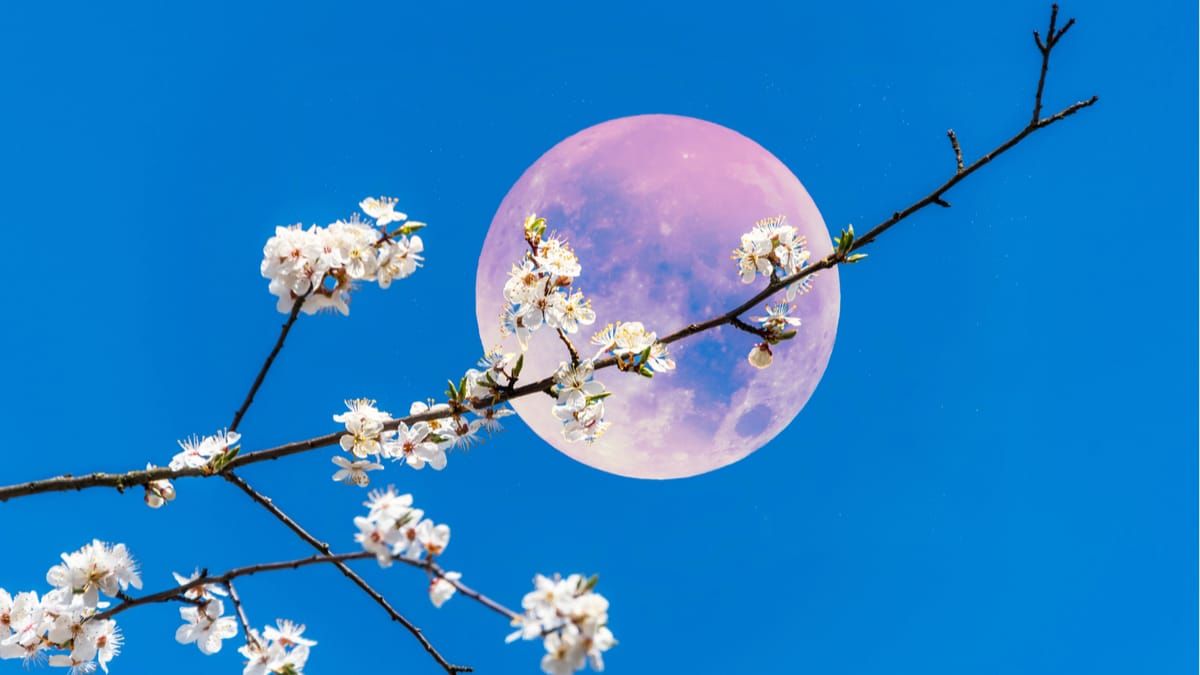
The Pink Moon’s name is not derived from any astronomical event or shift in lunar color. In fact, it stems from a traditional naming system used by early American settlers, primarily based on the timing of full moons in relation to seasonal events and phenomena. The term “Pink Moon” specifically references the appearance of early springtime flowers—wild ground phlox, commonly known as “moss pink”—which bloom during this period in the northern hemisphere. This association led to the moon being named after the flowers, although there is no direct connection between the color of the moon and the flowers themselves.
While the name has captured public imagination, it is important to clarify that the moon will not take on a rosy hue. Instead, it will appear in its usual full moon glow: a bright yellowish-white color. This myth has often led to misconceptions, especially with the term “Pink Moon” becoming more widely known through media coverage and cultural references. Experts, like Djamaluddin, continue to correct this misunderstanding to prevent disappointment for those hoping for an extraordinary visual display.
A Typical Full Moon with a Special View
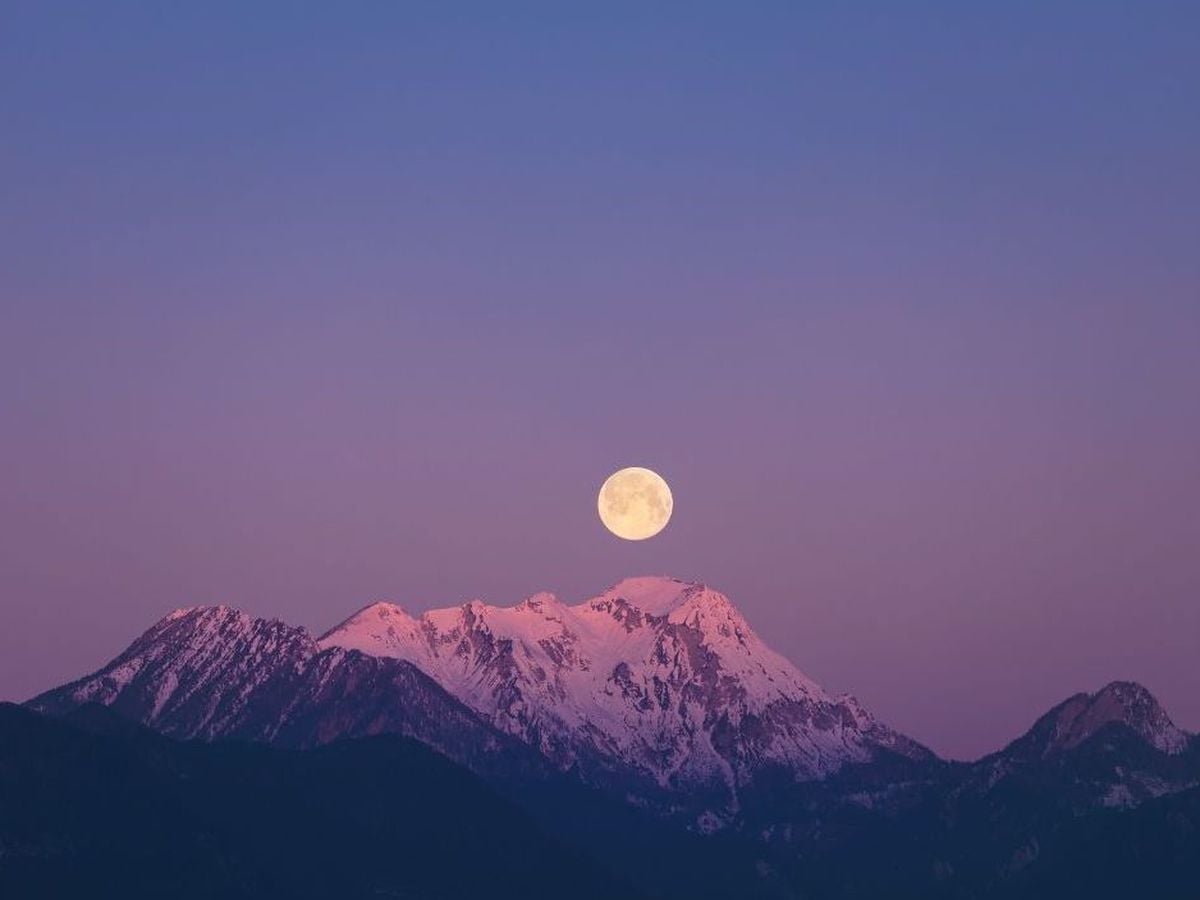
While the Pink Moon will not be a vibrant color, it still offers an opportunity for an extraordinary visual experience. As with any full moon, the Pink Moon marks a time when the moon is opposite the sun in the sky, creating a strikingly bright presence in the night sky. In Indonesia, the Pink Moon will be visible from the evening of April 1 until the early morning hours of April 2. The best time to witness the event will be just after sunset, when the moon is still low on the horizon. This is when the optical illusion known as the “moon illusion” will occur, making the moon appear significantly larger than it does when higher in the sky. The atmospheric refraction causes this effect, creating a dazzling golden glow just after the moon rises.
Though the Pink Moon’s name might be misleading, the full moon itself is still a remarkable celestial event, drawing attention from skywatchers worldwide. Djamaluddin encourages people to observe the moon with the naked eye, though he notes that using telescopes or cameras will yield more captivating details of the lunar surface. It’s an ideal event for both amateur stargazers and seasoned astronomers alike to engage in a shared appreciation for the cosmos.
The Science Behind the Full Moon
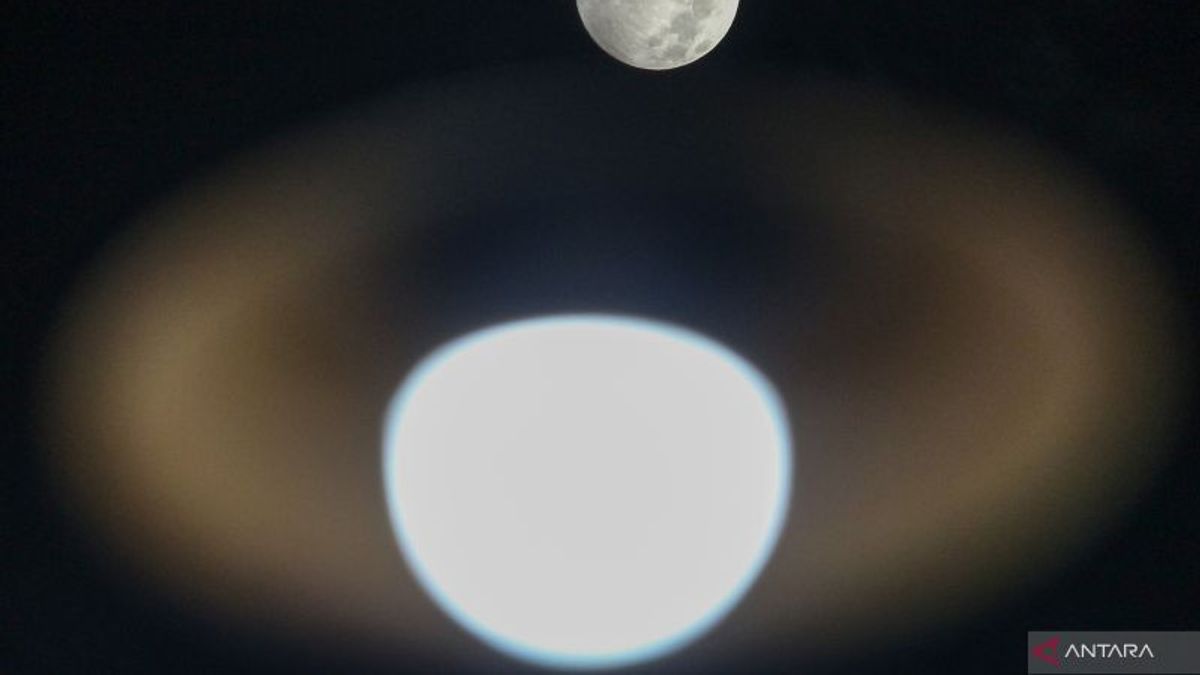
The full moon itself is not a rare occurrence; it happens roughly every 29.5 days, when the moon is on the opposite side of Earth from the sun. This phase of the moon has been a subject of fascination for millennia, with various cultures attributing different meanings, myths, and superstitions to the event. In modern times, full moons have become moments for reflection and connection with the natural world.
One key aspect of the full moon that science continues to study is its effect on Earth. While the moon’s gravitational pull does not significantly impact daily life, it does contribute to tidal forces. These tidal movements are more noticeable during a full moon and new moon, when the sun, Earth, and moon align. This creates higher-than-usual tides, a phenomenon that can affect coastal ecosystems and human activity, such as navigation and fishing. Djamaluddin pointed out that the full moon has no harmful effects on Earth or its inhabitants and that the tidal shifts are part of the natural rhythm of our planet.
The Moon’s Role in Earth’s Ecosystems
The moon’s presence in Earth’s sky has far-reaching effects that go beyond its visual appeal. Over the course of history, humans and animals alike have been influenced by the moon’s cycles, from navigation to animal behavior. For instance, many animals, particularly marine species, time their reproductive cycles with the full moon’s gravitational pull, which affects ocean tides.
Humans have long observed the full moon as a way to mark the passage of time. Historically, moon-based calendars helped early civilizations track seasons and agricultural cycles. Today, the full moon remains an important cultural symbol, often featured in festivals, folklore, and art. In some regions, the full moon is a time for rituals or celebrations, symbolizing renewal and growth.
The Pink Moon, though not a scientific event in itself, reminds us of the moon’s ongoing influence on our lives and culture. It serves as an opportunity to step outside and appreciate the beauty of our planet’s natural satellite.
Lunar Events and the Role of Technology
Despite the Pink Moon’s lack of color, the event has sparked an increased interest in lunar events and space exploration. Modern technology has made lunar observations easier and more accessible, with telescopes, smartphones, and online resources allowing more people to observe and study the moon from their homes. For the Pink Moon, BRIN experts and astronomers around the world have been sharing their insights and observations, helping to demystify these events for the public.
Astronomy enthusiasts can now participate in live streams or even virtual observatories to get a closer look at the moon’s surface. This technological accessibility has turned the Pink Moon into an opportunity for education and outreach, allowing people to connect with the cosmos in ways previously unimaginable. Whether using advanced telescopes or simply observing the moon from their backyards, people around the world can engage with the full moon as part of a global scientific event.
Lunar Phases and Their Cultural Significance

Culturally, the full moon holds great significance, especially in communities that observe traditional lunar calendars. In many Asian cultures, the full moon is a time for family gatherings and celebrations. For example, the Mid-Autumn Festival, celebrated in China and other parts of Asia, is centered around the full moon and its symbolic representation of unity and prosperity.
Similarly, in Western culture, the full moon is often linked to various myths and legends, such as the werewolf tale and the idea of the moon influencing human behavior. Though such myths are not scientifically accurate, they reflect the deep cultural fascination with the moon and its role in shaping human perception of the night sky.
As the Pink Moon illuminates the April sky, people from diverse cultural backgrounds will continue to marvel at its light, whether or not it fulfills the color-based expectations. It serves as a reminder of how celestial events connect humanity across time and space, sparking awe, reflection, and unity.
The Global Impact of Moon Watching
Moon watching has always had a unifying effect. Whether through science, culture, or spiritual practices, people from around the world gather to witness the moon’s beauty and significance. The Pink Moon, despite its misleading name, provides an opportunity to continue this global tradition, where individuals, families, and communities can share the experience of looking up at the sky together.
NASA and other space organizations have continued to encourage moon watching as a way to foster global collaboration in science and exploration. With the ongoing efforts to return to the moon and beyond, the Pink Moon symbolizes humanity’s ongoing connection to our celestial neighbor, highlighting both our shared history and our collective future in space.
What to Expect During the Pink Moon
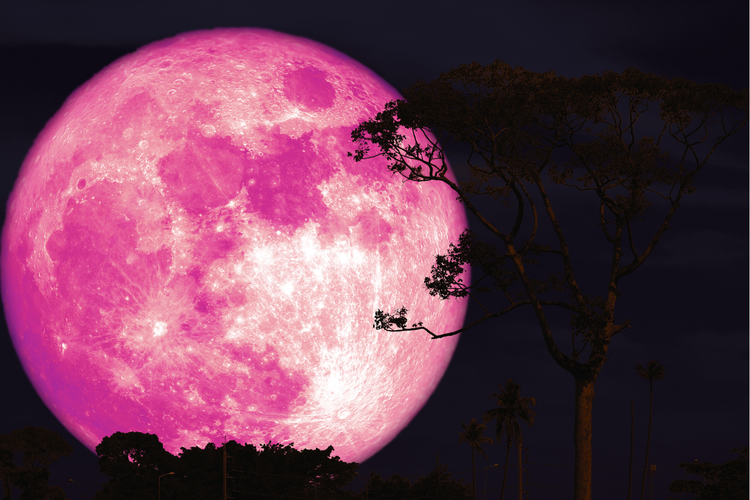
The Pink Moon is not expected to be a major astronomical event. However, for those who observe it, the moon will appear in its typical full moon phase, offering a stunning view against the night sky. As it rises in the east, its proximity to the horizon will create an optical illusion that makes it appear larger than usual, with a golden or yellowish glow. This phenomenon, known as the “moon illusion,” occurs when the moon is closer to the horizon and its light passes through more of Earth’s atmosphere.
For the most spectacular views, Thomas Djamaluddin suggests watching the Pink Moon just after it rises. At this time, the atmospheric effects will cause the moon to appear brighter and larger than at any other moment. It’s a chance for everyone, regardless of location or equipment, to engage with the natural world in a meaningful way. Whether through direct observation or through telescopes, this is an event worth noting—an opportunity to take a moment to appreciate the sky above.
A Beautiful and Safe Experience
The Pink Moon, while not actually pink, is a beautiful and safe event to witness. As Thomas Djamaluddin reassures, the public can safely observe this celestial phenomenon, whether with the naked eye or enhanced by telescopes or cameras. The effect of the moon on Earth, though subtle, is part of its natural cycle, reminding us of our shared place in the universe.
Though we may not witness a colorful lunar event, the Pink Moon is an opportunity to reflect on the natural beauty around us, the science behind celestial phenomena, and the ways in which the moon continues to capture our imaginations.